Hercules and Iphicles
While Hercules (Heracles) is best known for his many heroic adventures and his impressive physique as an adult, in the Labors of Hercules (or Labors of Heracles), we get a brief origin story and even a sign of his god-like strength in his early childhood.
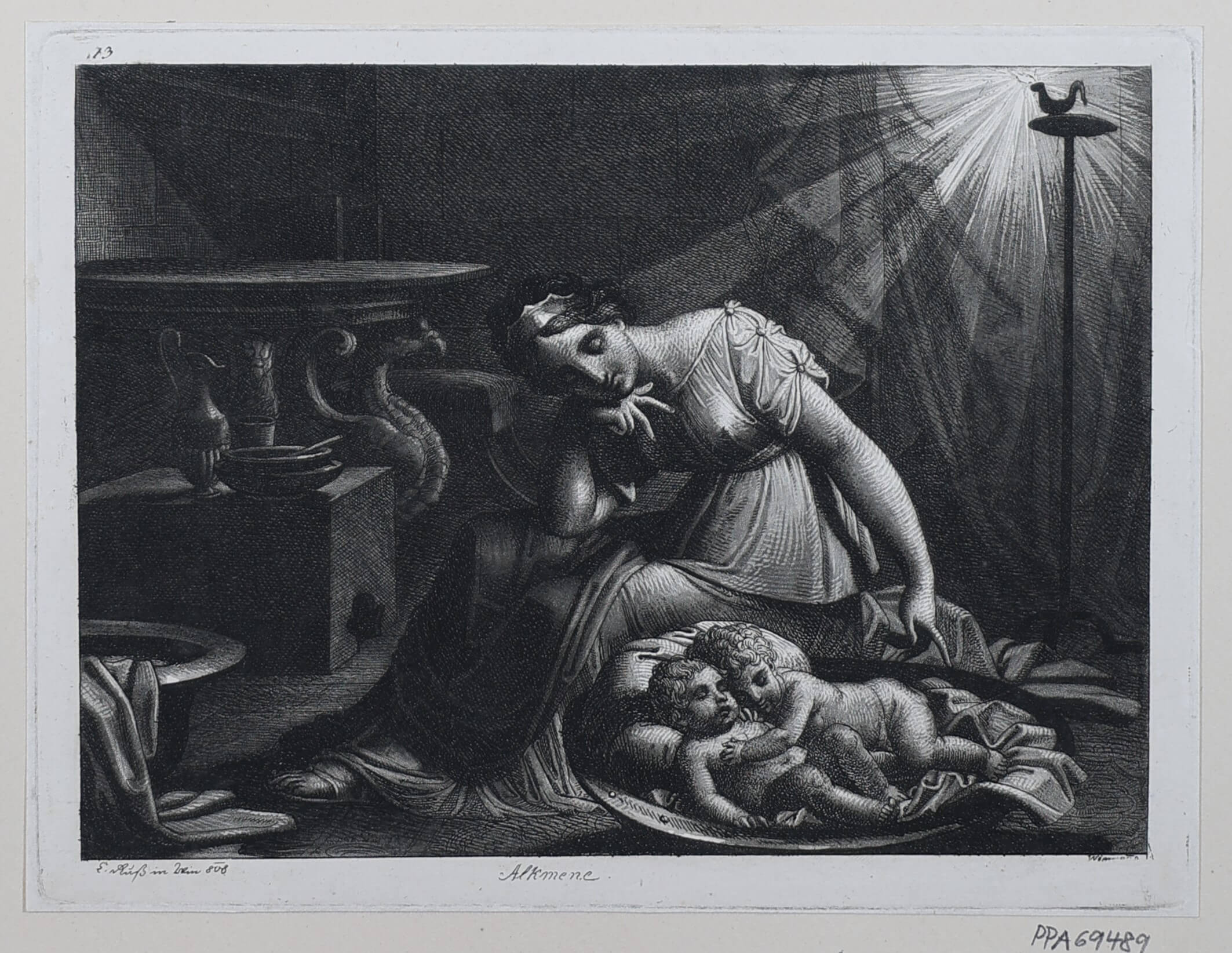
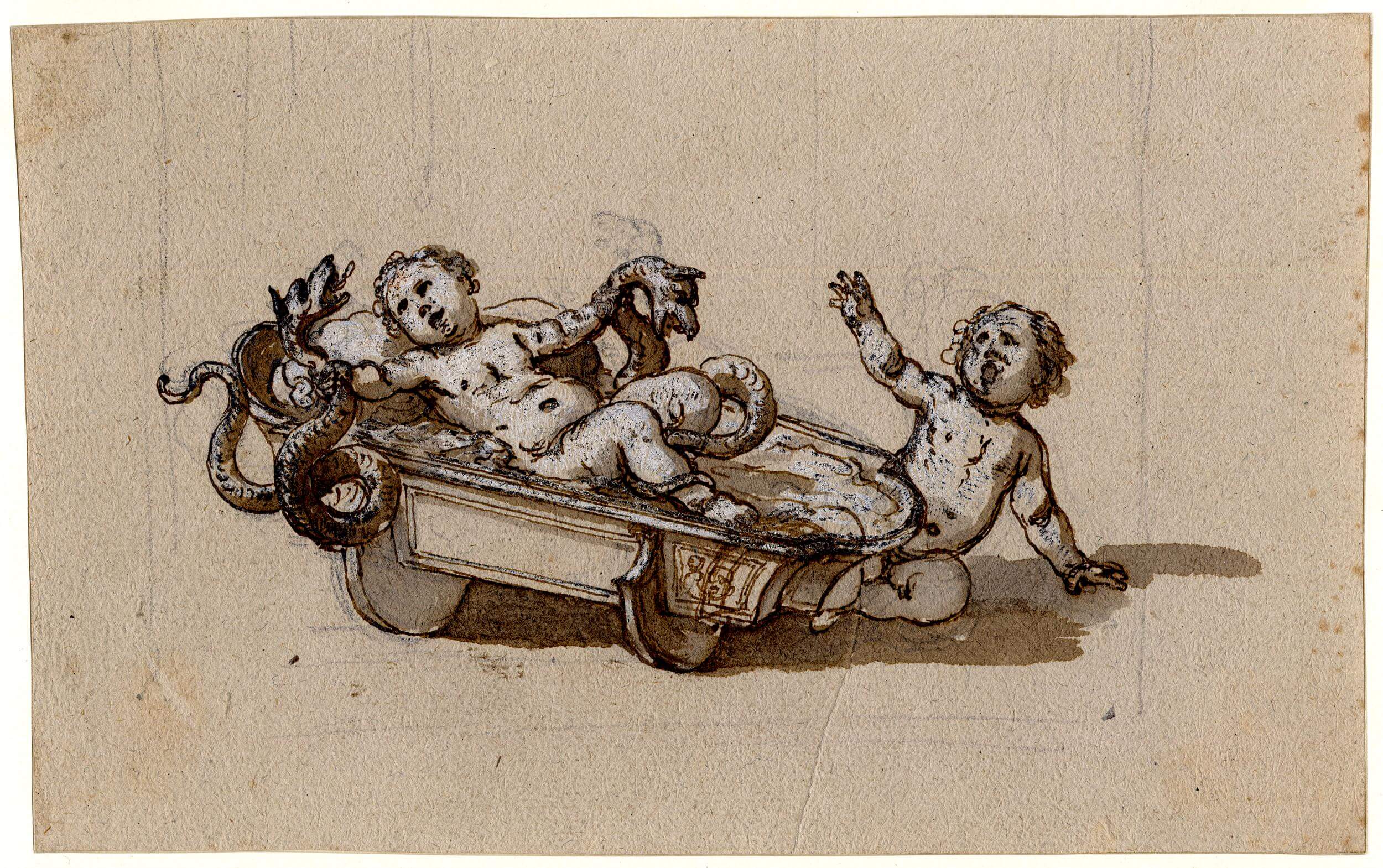
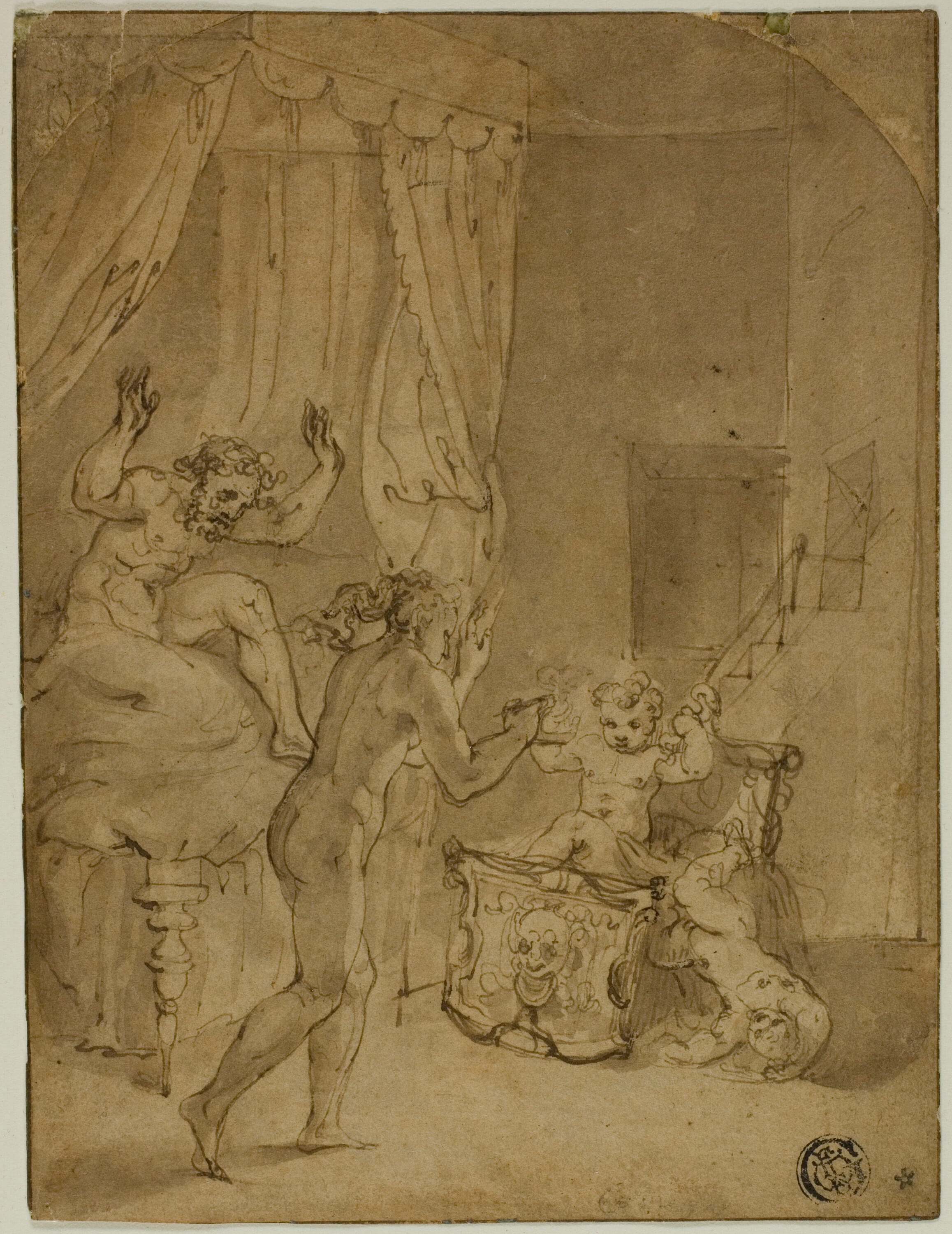
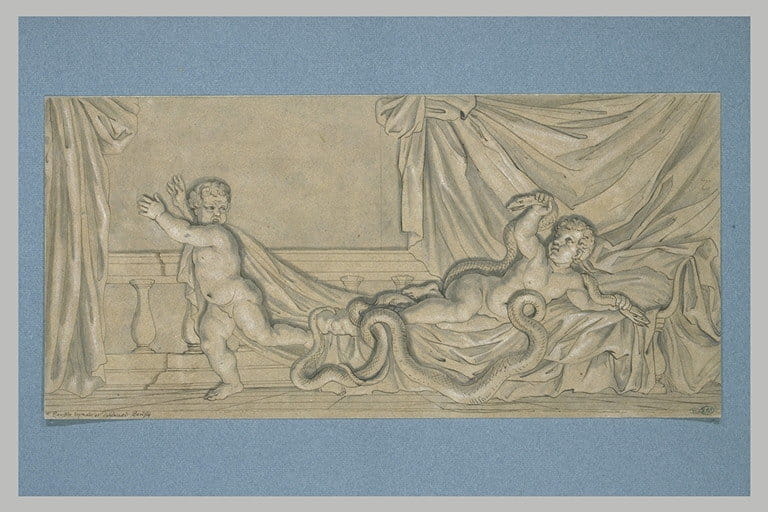
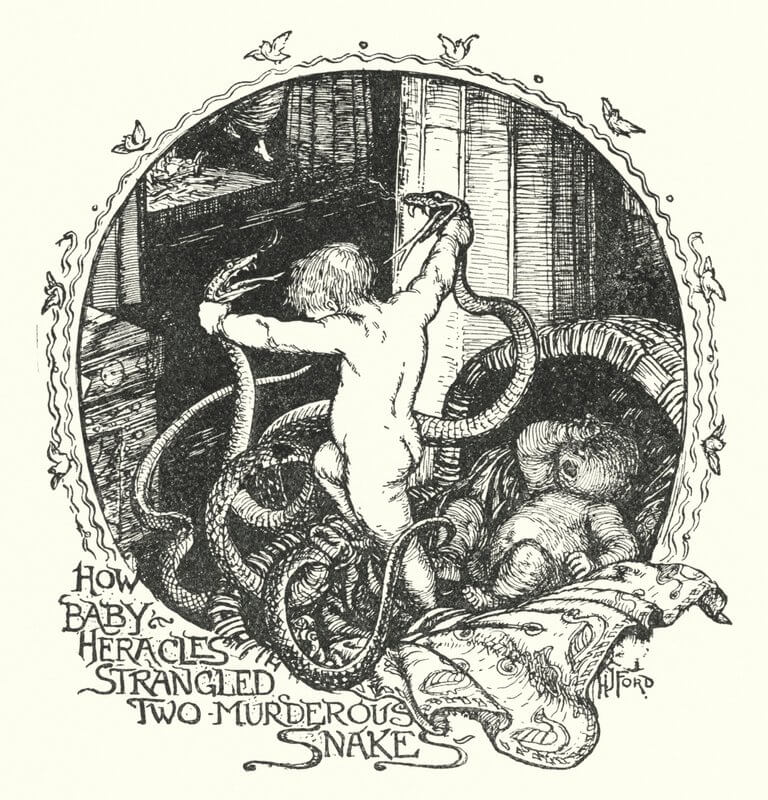
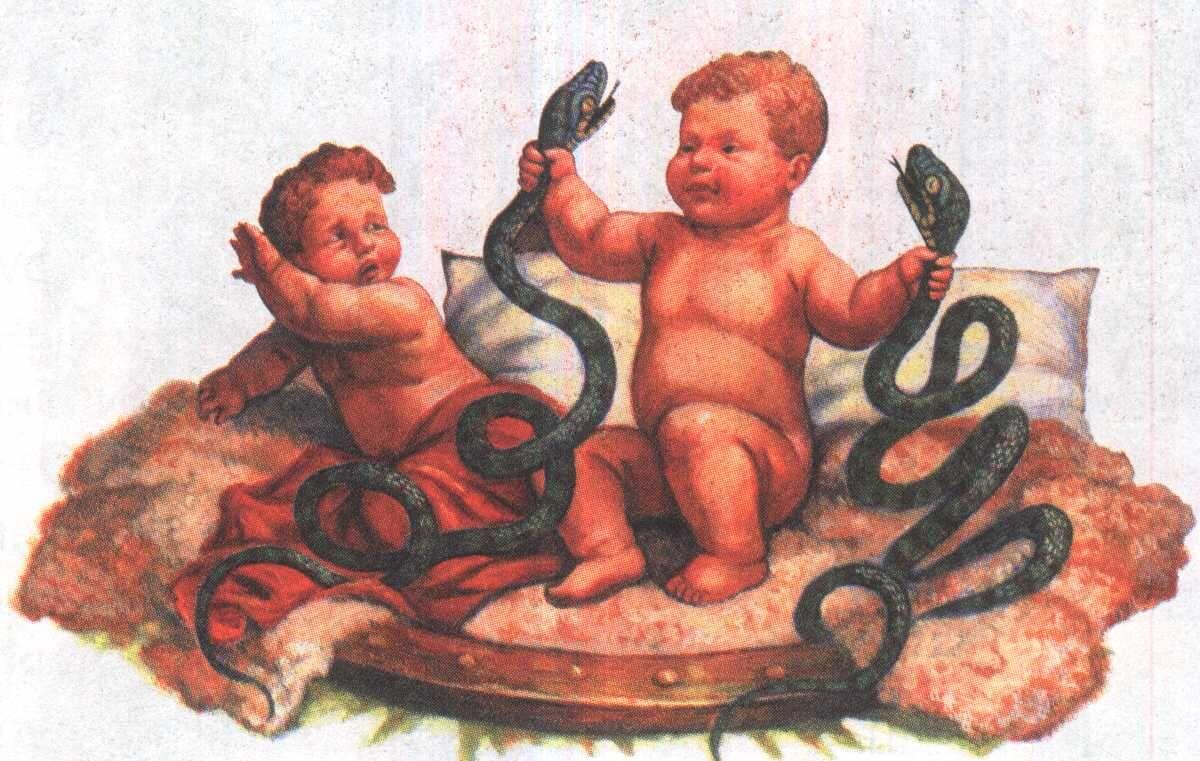
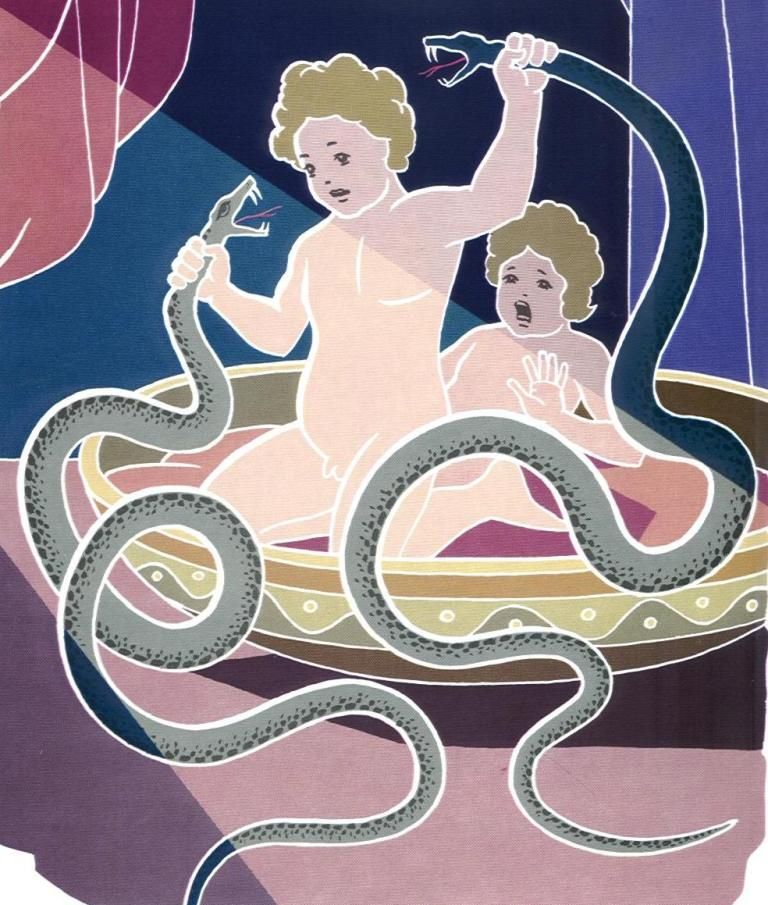
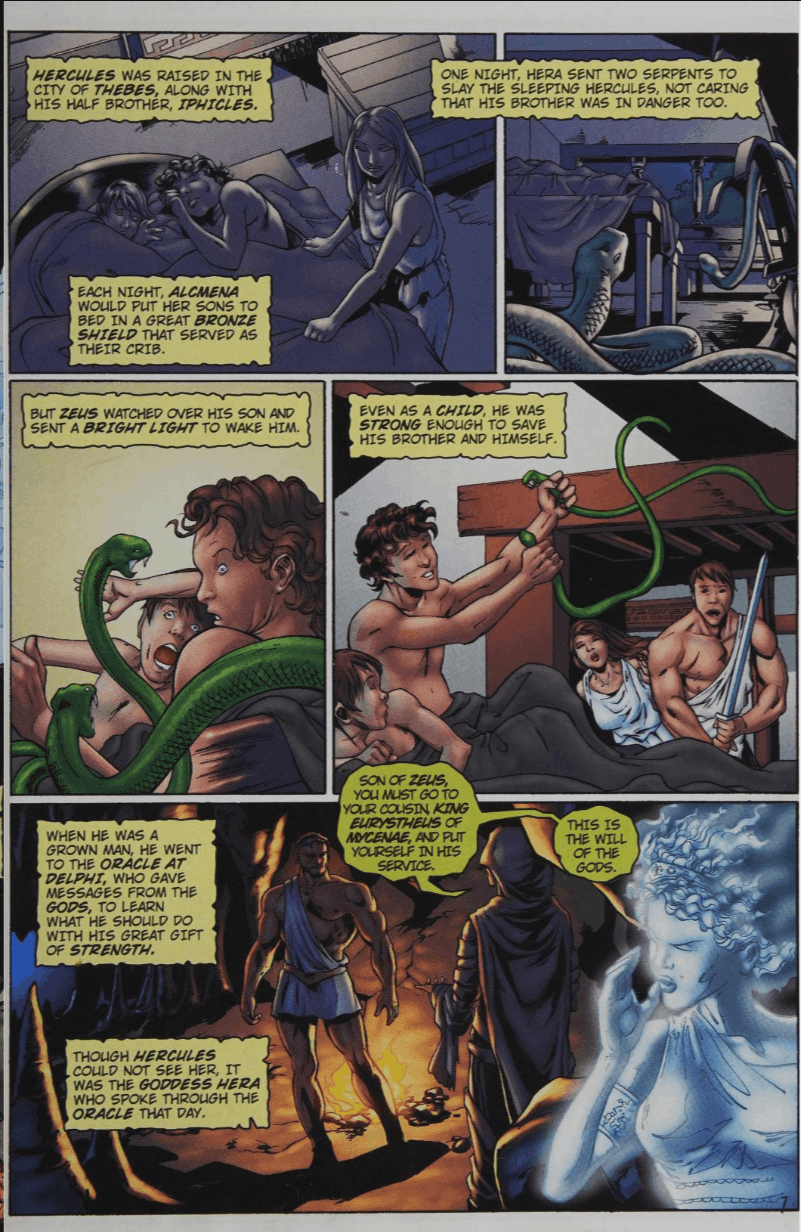
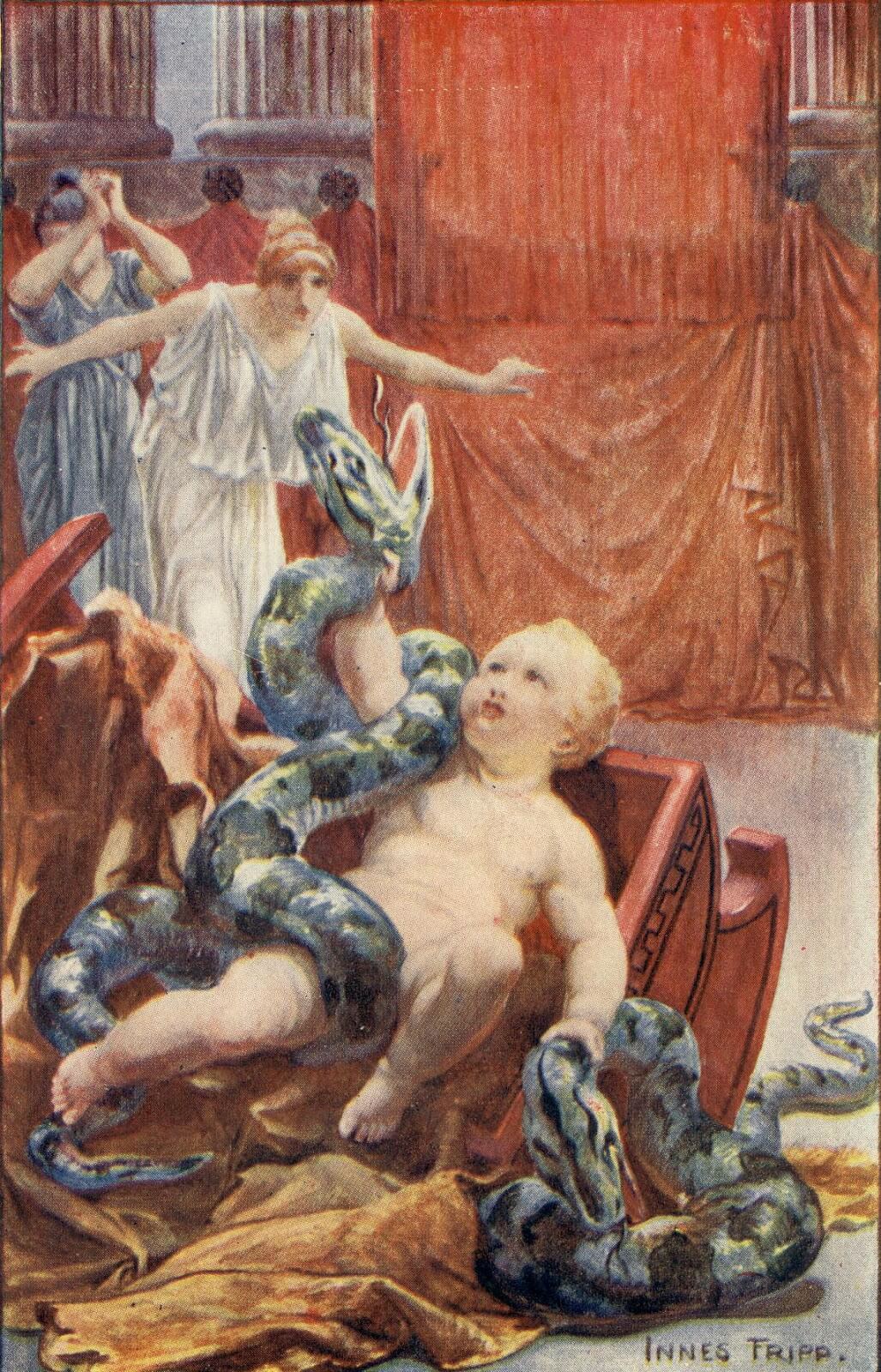
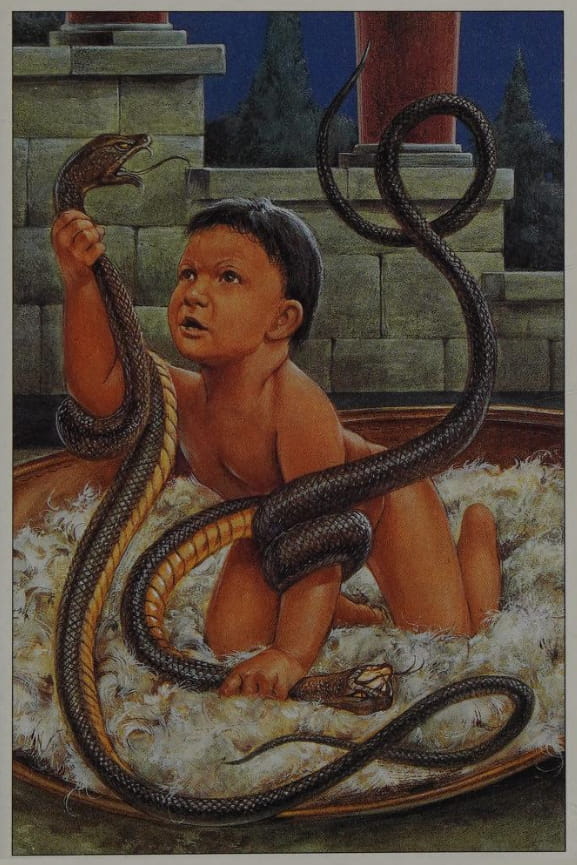
In the beginning of the epic, we learn that Hercules is the son of Zeus, who had impregnated the mortal woman Alcmene. Alcmene was also pregnant with Amphitryon’s child, although he was a mortal human unlike Zeus. Zeus’ wife, Hera, in her jealousy at her husband’s actions, sent serpents to kill the two children while they were asleep. Iphicles, terrified of the creatures that have awoken him, cries out!
Pindar, a 5th Century Greek poet, summarizes what happens next:
… But he (Hercules)
Lifted his head high and made first trial of battle.
In two unescapable hands
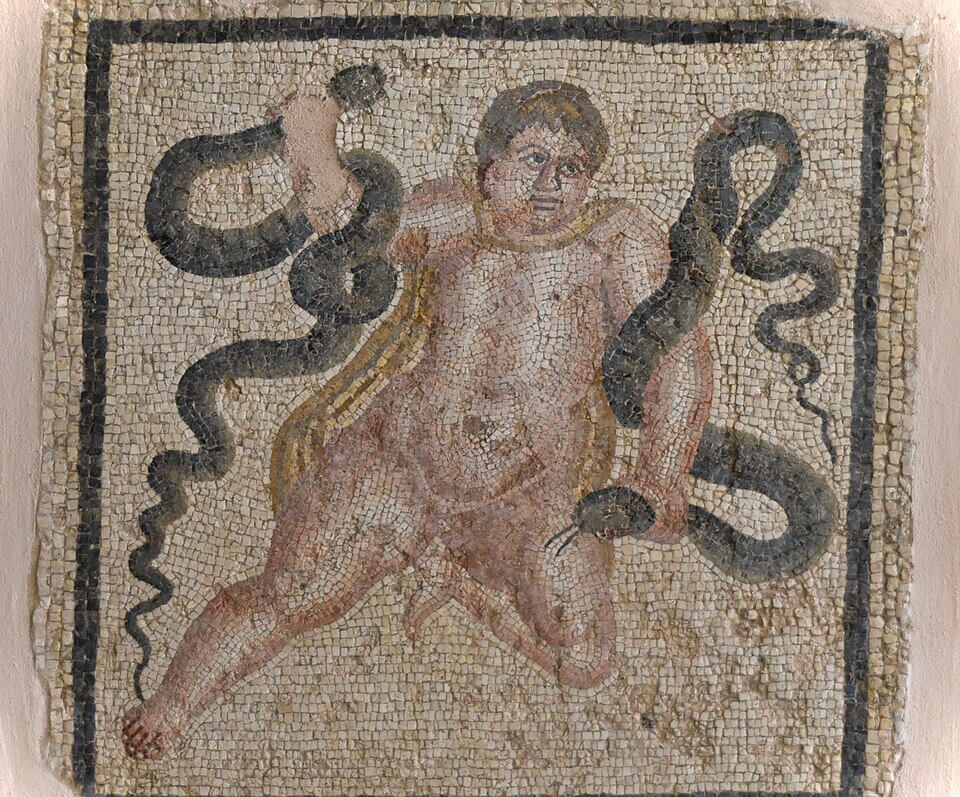
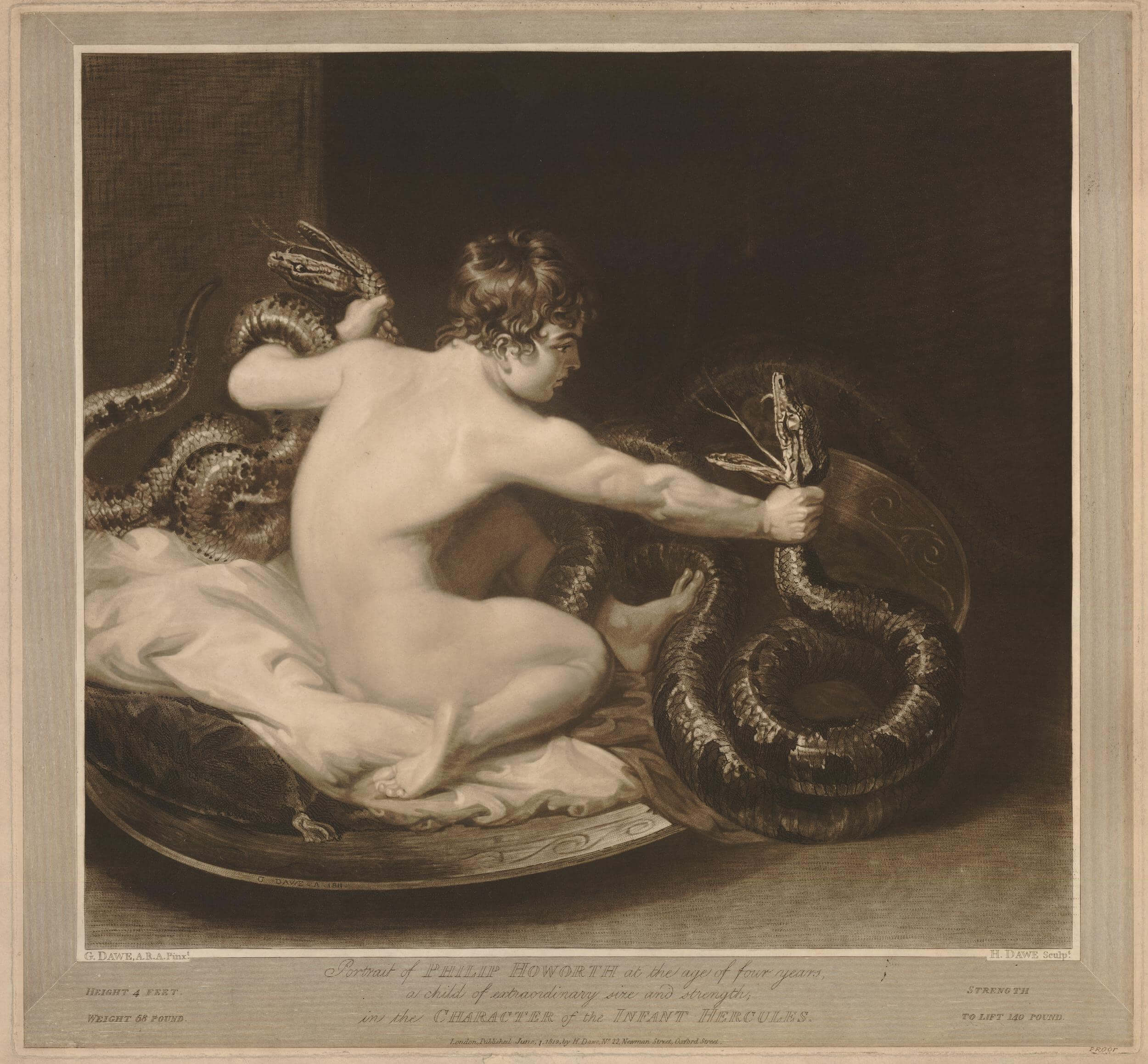
He seized the two serpents by their necks;
He strangled them, and his grip
Squeezed the life out of their unspeakable frames.
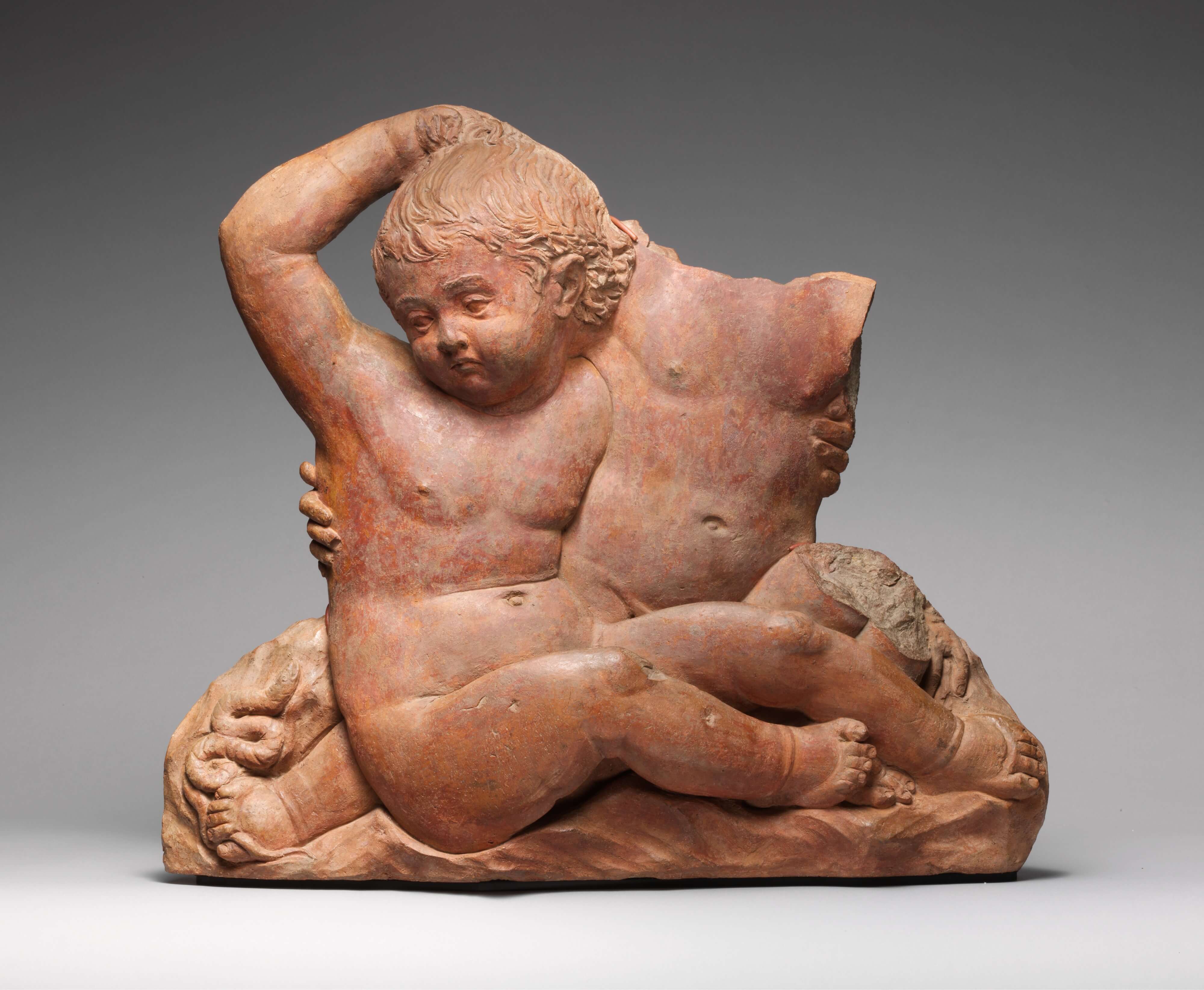
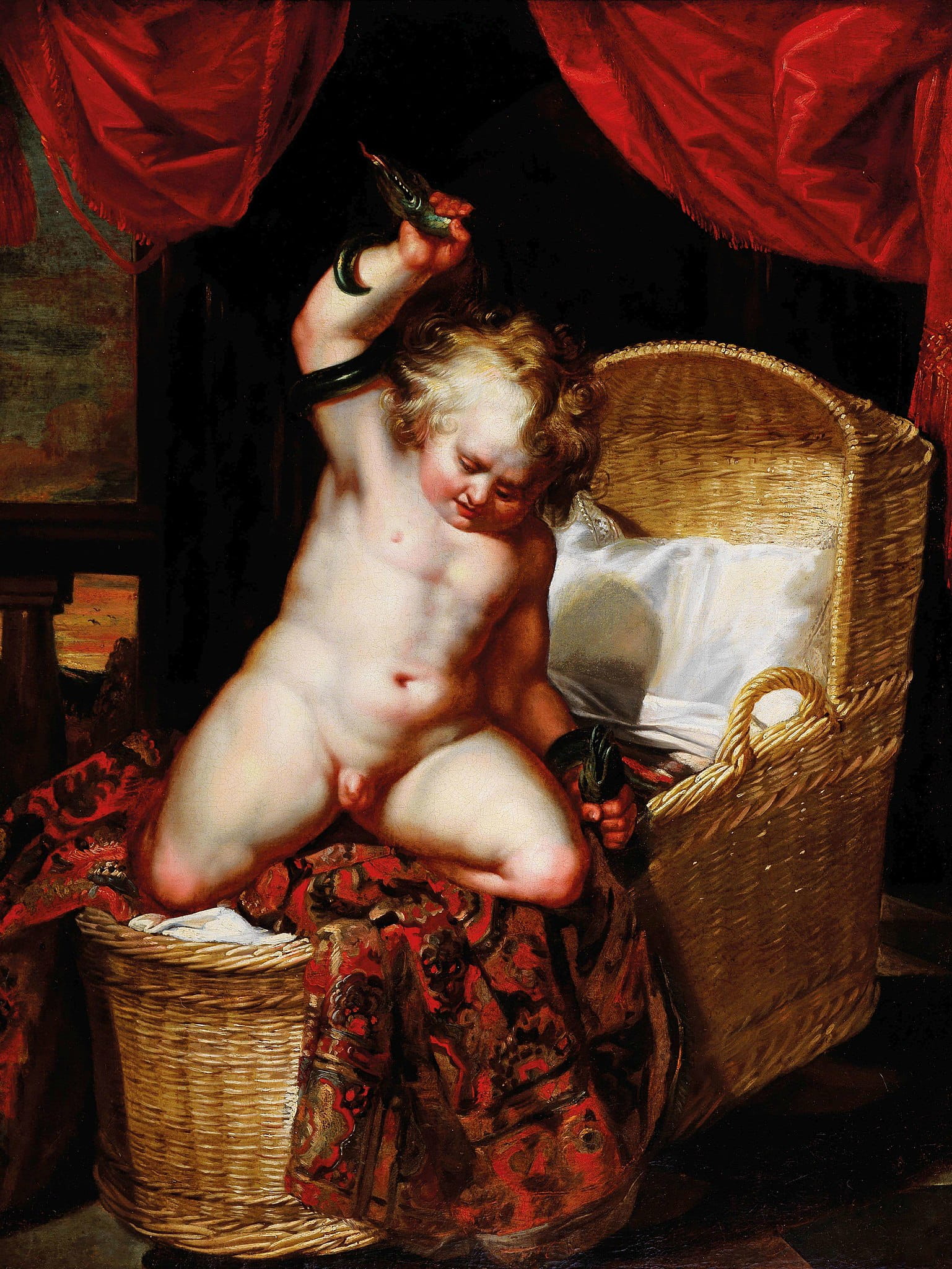
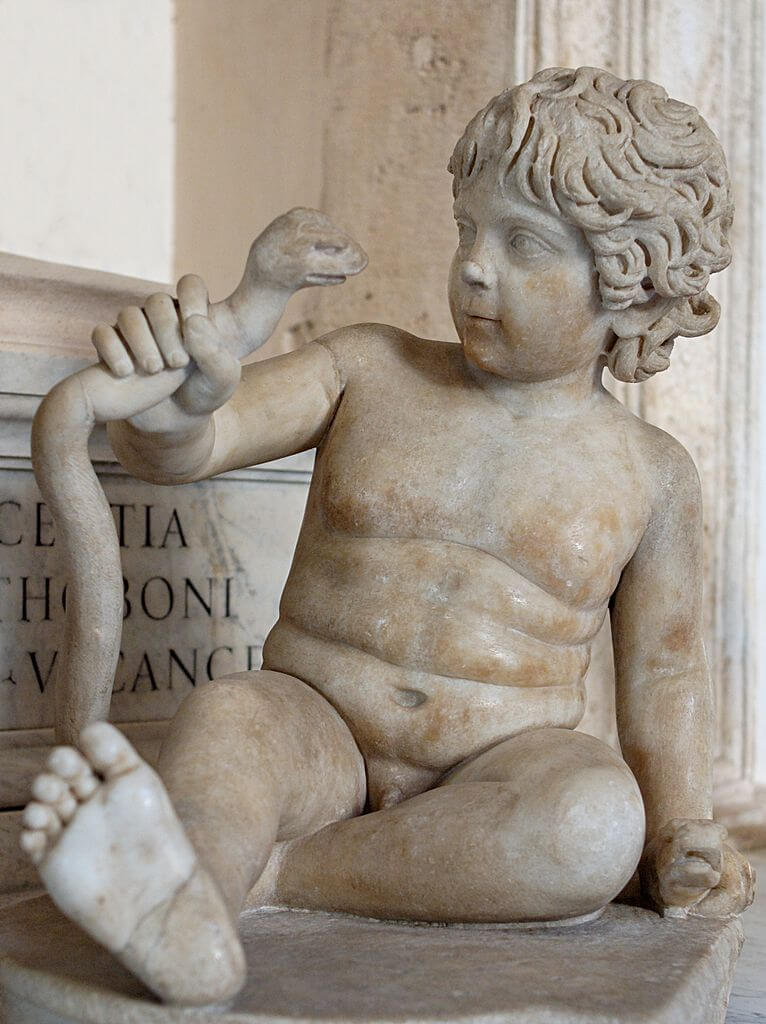
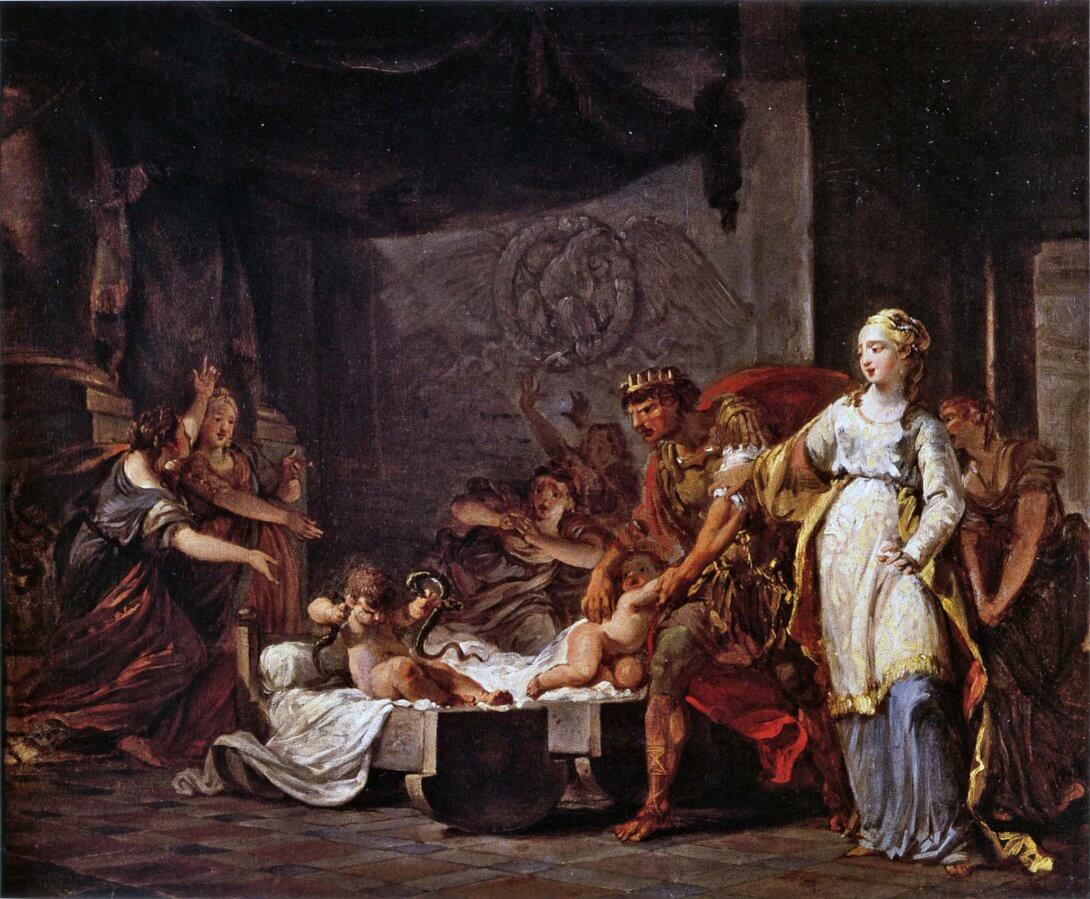
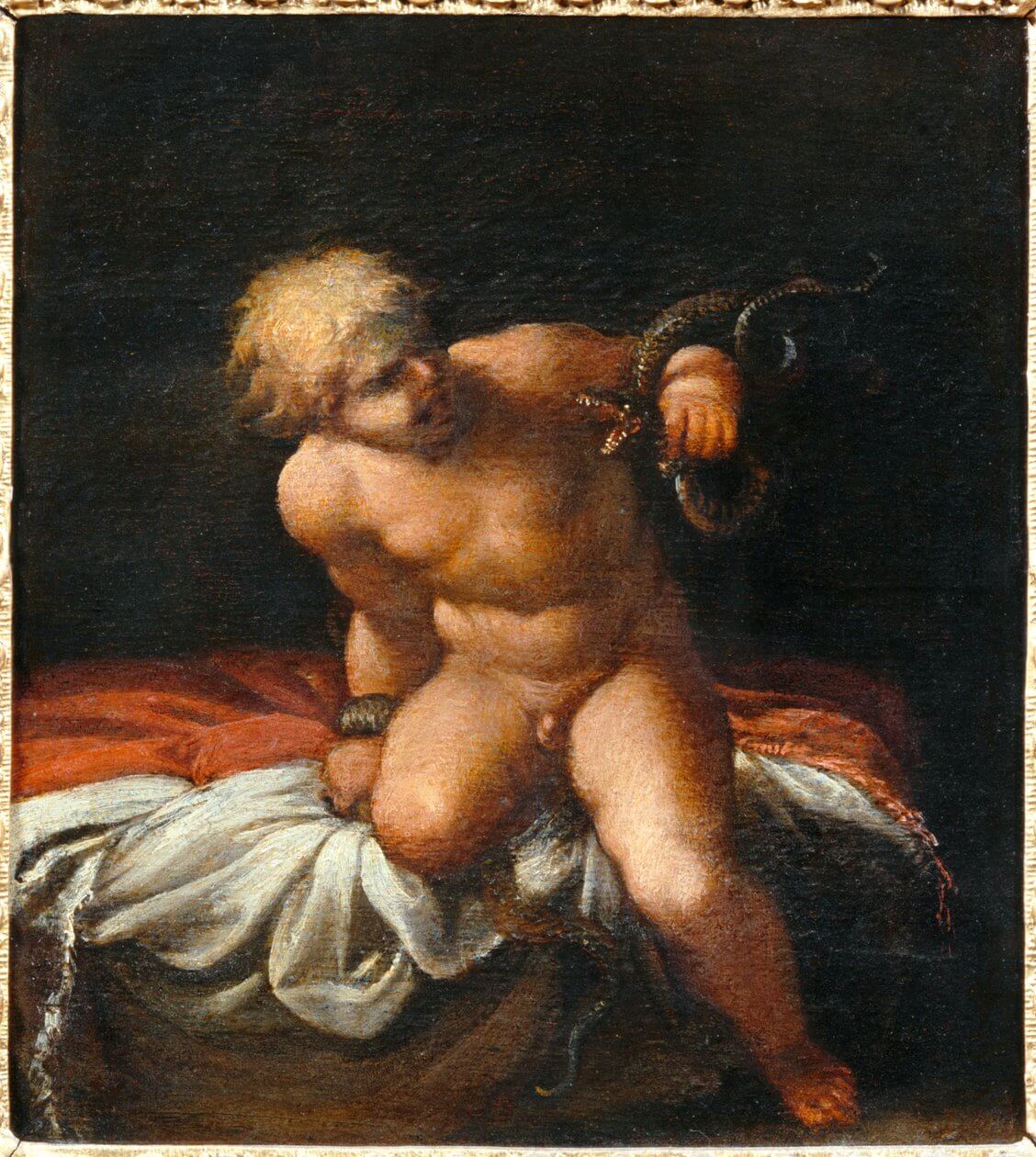
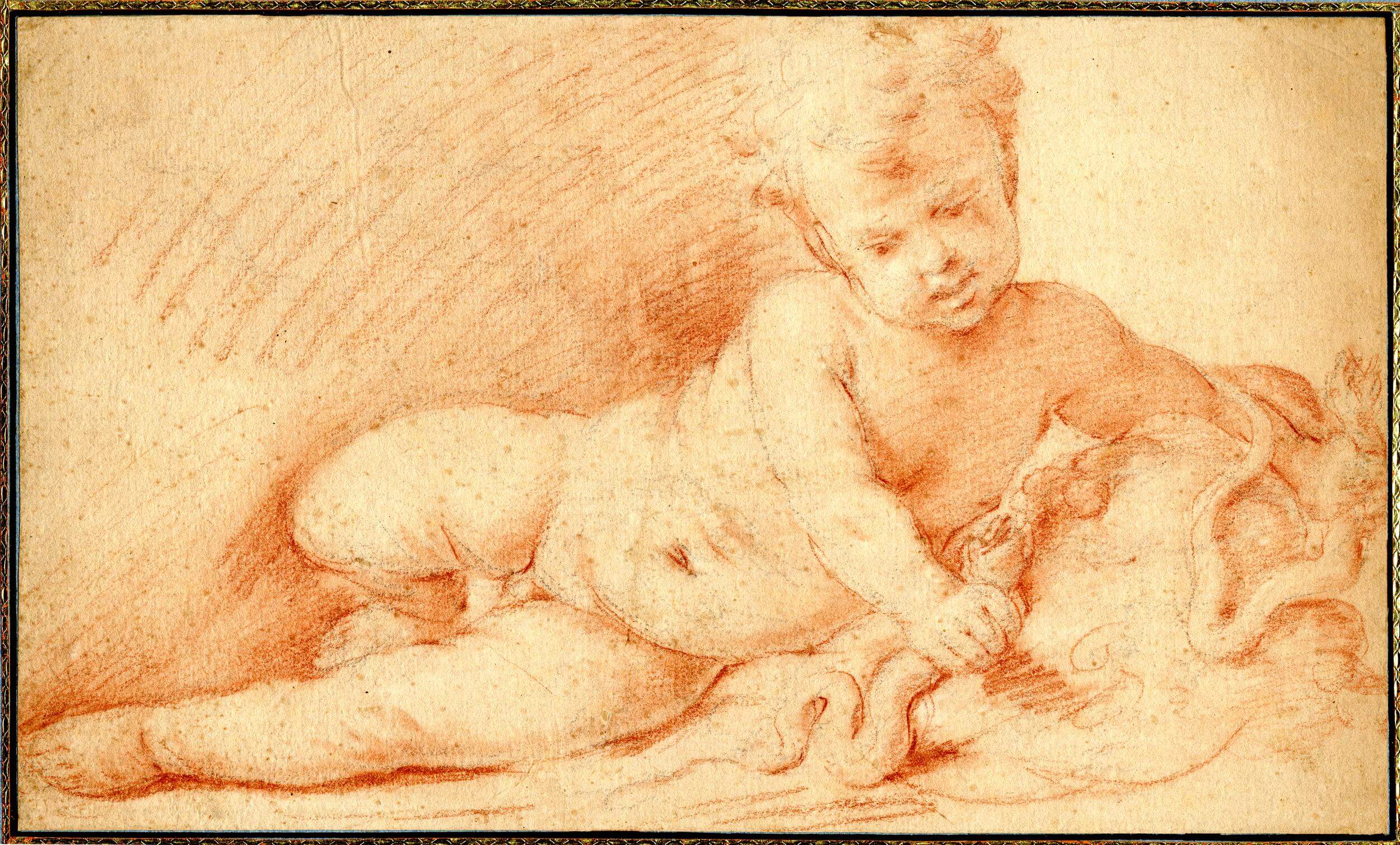
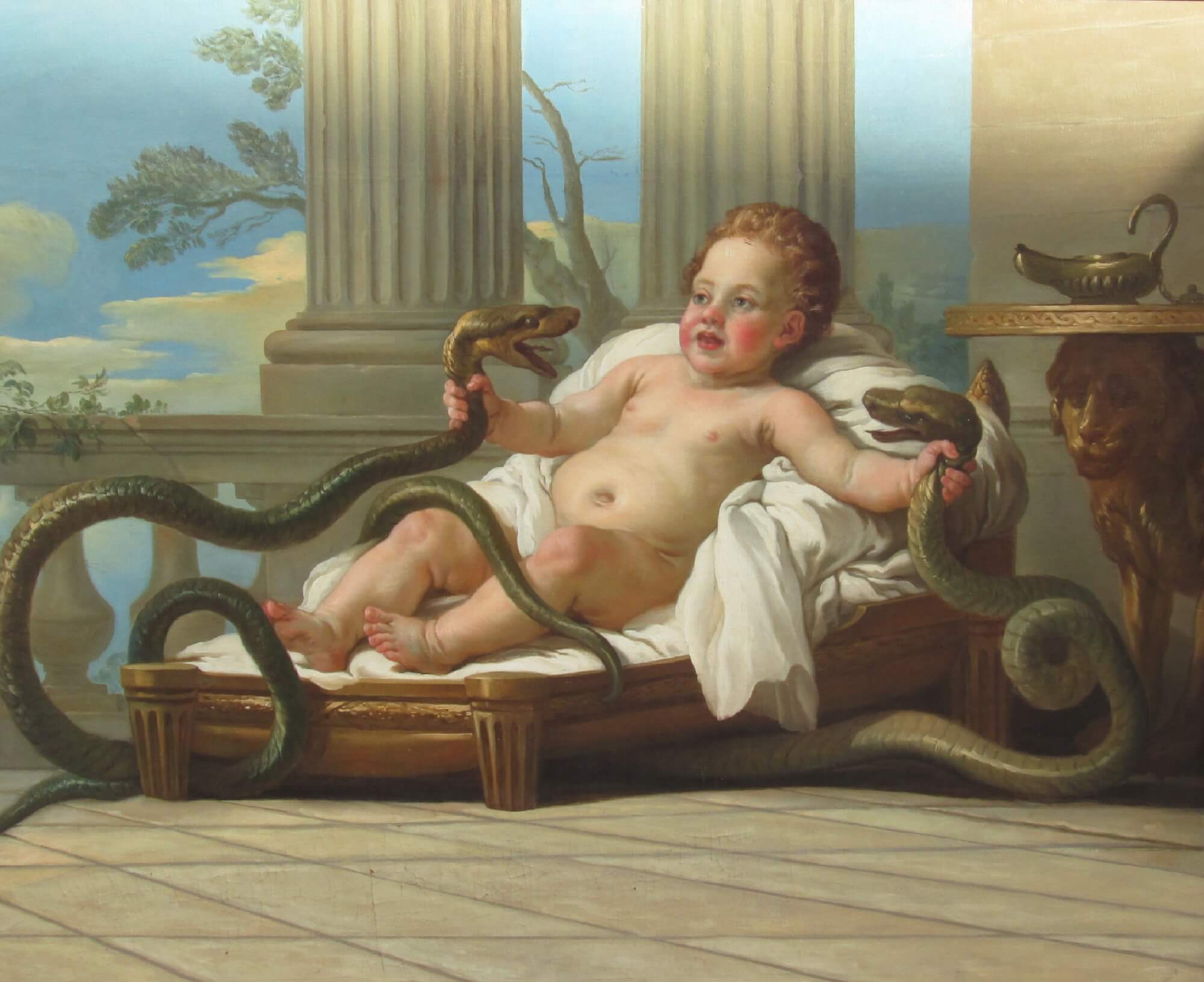
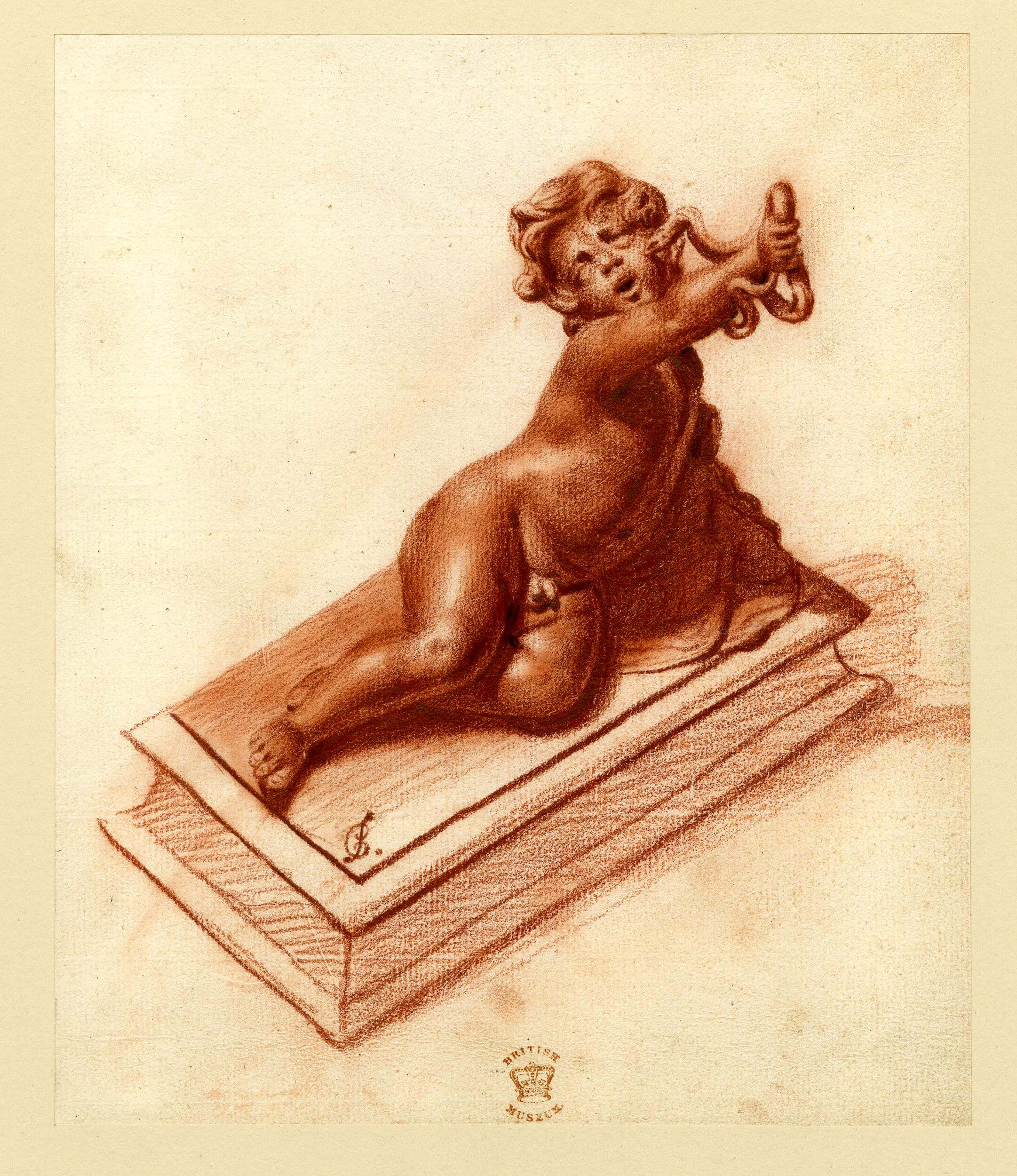
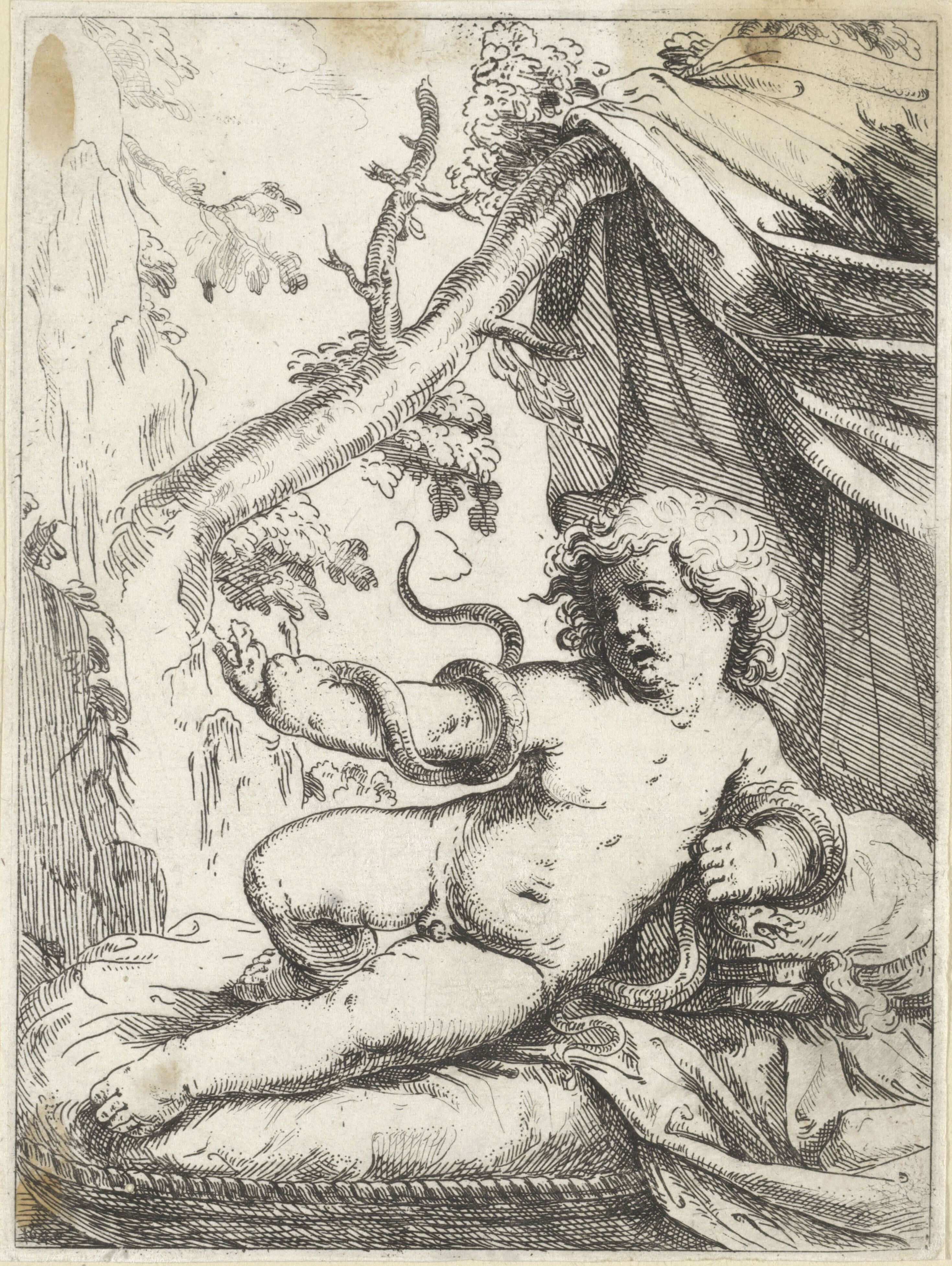
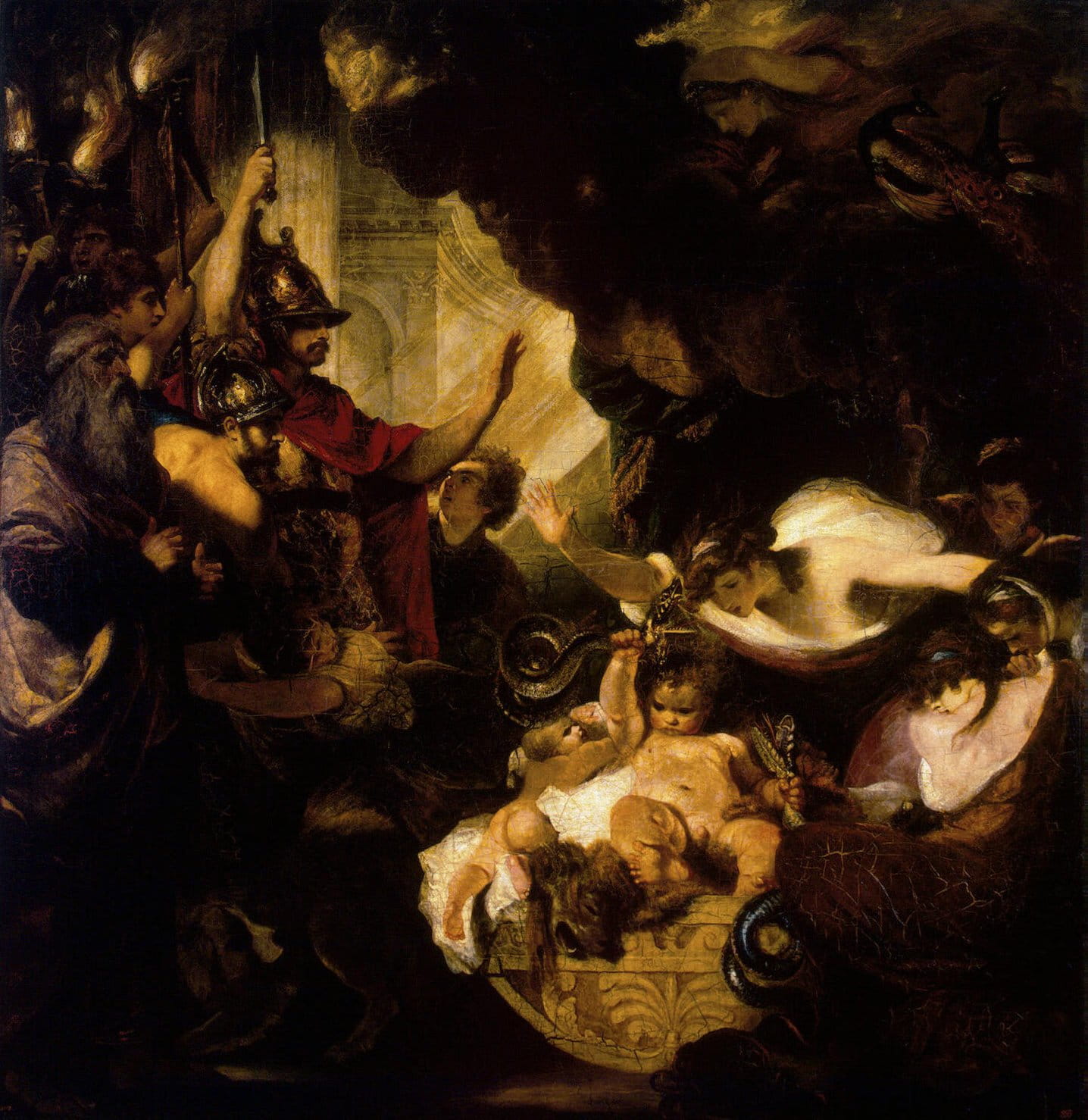
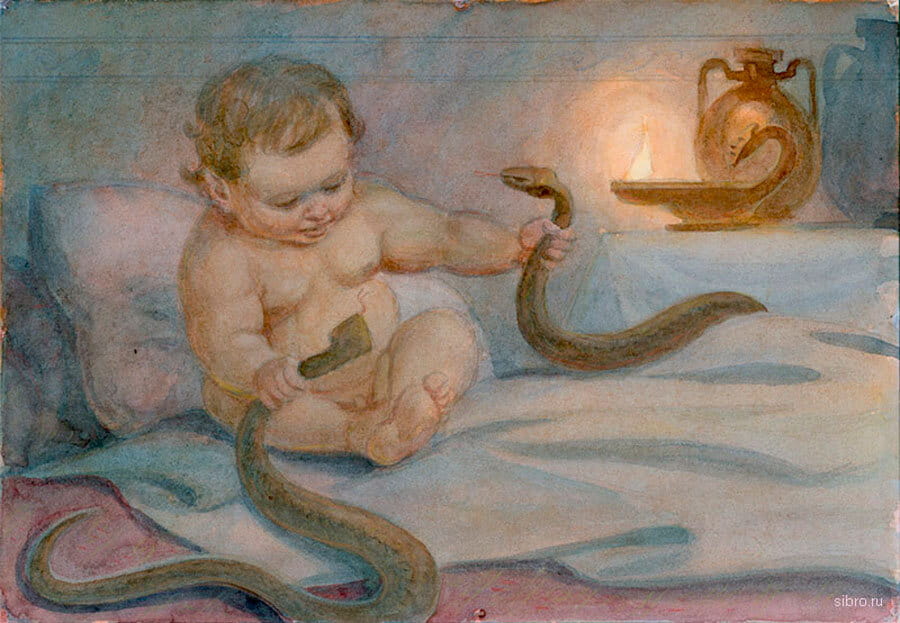
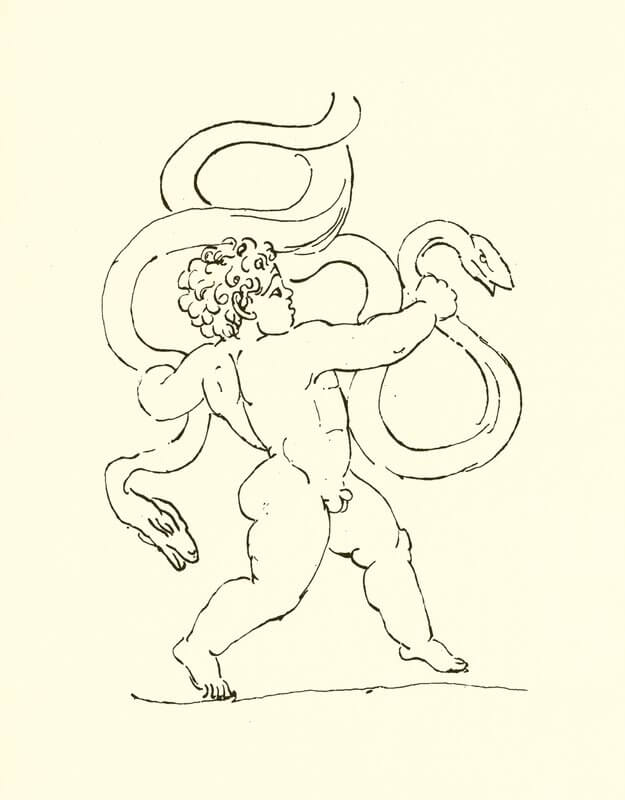
The scene of the infant Hercules showing his strength at such an early age became another story that later Reneissance artists would incorporate into their mythographic work. However, because of Hercules’ popularity and significance in the Labors, often characters such as Iphicles - his half-brother and twin who shared that intense moment with him - are either forgotten or left out to give the child Hercules more attention. This can be seen in Peter Paul Rubens’ Young Hercules Killing a Snake (below). Still, other Reneissance artists such as Joshua Reynolds or Jean-Hugues Taraval would remember Iphicles’ role and include him in their work.
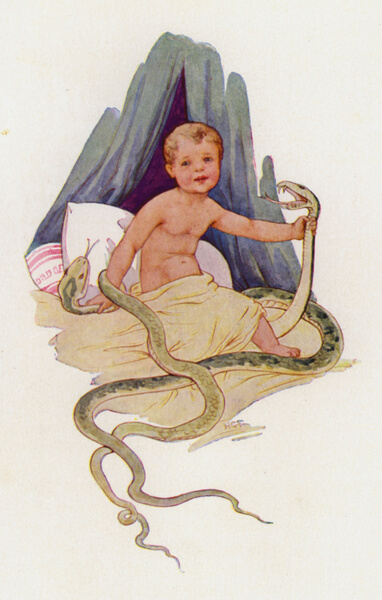
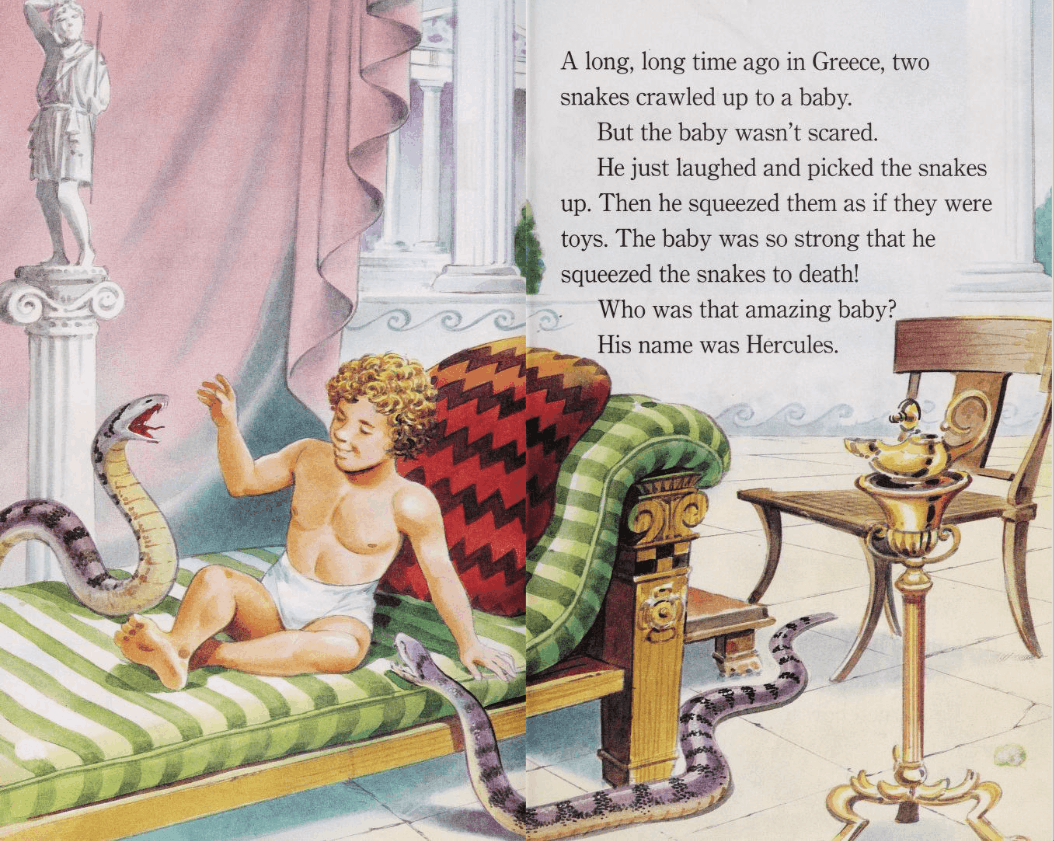
Contemporary art, however, from illustrated children’s books to graphic novels offer a much more diverse range of interpretations of this scene. Some writers and artists poke fun at the absurdity of the situation, adding humor and whimsy to an otherwise frightening scene. Other creatives, meanwhile, retain the narrative of the original story but still make changes that seem appropriate for the modern viewer. Whether these changes were based on modern sensibilities, creative direction, or logical consistency isn’t known. This can be seen in some art where, instead of Hercules and Iphicles being infants, they are instead portrayed as young boys. However, staying true to the times and keeping the artistic representations of ancient mosaics, statues, and Greek pottery in mind, these artists also depict the two boys sharing the same bed sleeping naked together.
While this scene in particular is a pivotal moment in demonstrating who Hercules is as a demigod, it should also be stressed that this moment also portrays the love and bond between the two brothers. That said, while little is actually known about Hercules’ boyhood (or for that matter Hercules’ and Iphicles’ childhood together), we can infer that it was filled with fantastic stories of heroism and amazing feats much like what we have examined here.
Sources: