The Cormorants
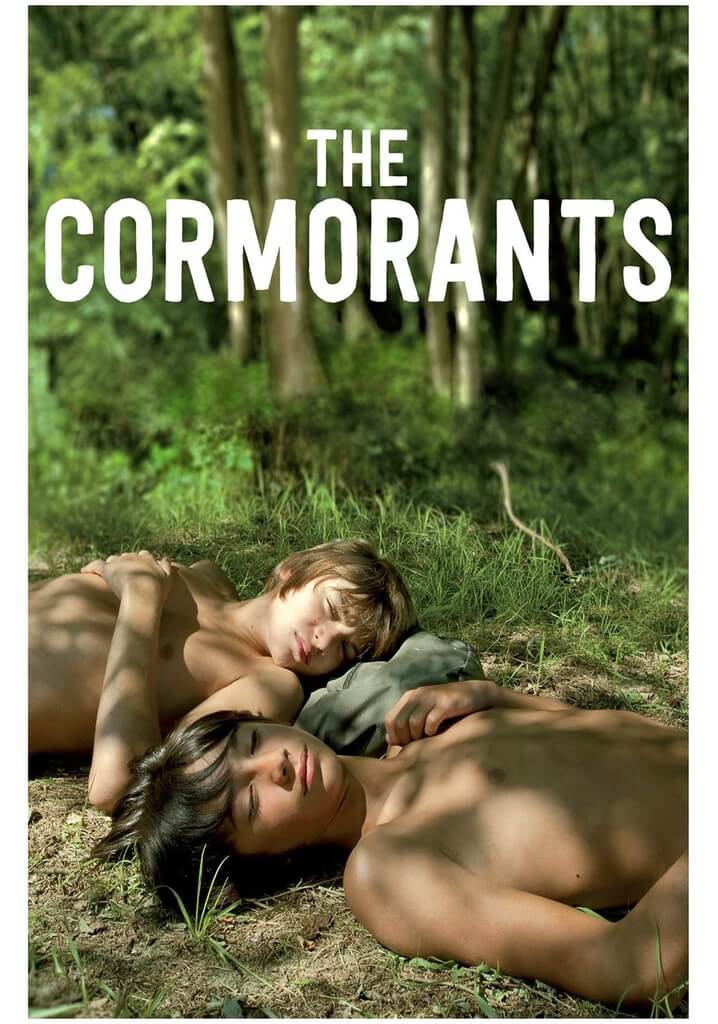
Original Title: I Cormorani
Director: Fabio Bobbio
Genre: Indie, Mumblecore
Released: 2016
Rating: ★★★★☆
This quiet study of boyhood, brought to us by director Fabio Bobbio, shows a realistic portrayal of friendship in a liminal space. We passively observe the lives of two boys, Matteo and Samuele, who are enjoying their last days of summer in their twelfth year before they enter high school. And like most boys living these moments with their friends, rather than embarking on a grand journey or experiencing the equivalent of a complex narrative, we’re instead invited to witness those little moments in life that may not seem special in the moment, but nonetheless become nostalgic and beautiful – filling us with a sense of saudade as we remember what we once had but can never recover.
Matteo and Samuele spend their days listlessly exploring the forest outdoors, playing by the riverbed, and going to malls and theme parks. Their affection and friendship is demonstrated by their simplicity – occupying each other’s personal space and boundaries so casually, letting subtle gestures and body language speak for them. They don’t need to communicate their affection or friendship outwardly, as it is something that we know they have lived for a long time. It speaks for itself.
This does not mean that tension is absent from their friendship. Bobbio gives us subtle ambiguities to decipher where they are personally in their own lives and better interpret where the boys are in their relationship. During these ambient moments of tranquility where we see the boys at their most personal and private, we hear them talk, asking each other questions relating to other friends, girlfriends, and the next school year. We see one of the boys on his phone, distracting himself from the present moment with his friend to be in a virtual space where he can text his other friends.
The Cormorants is a deeply fascinating experience. It’s both sincere and realistic in its depiction, with director Fabio Bobbio choosing to opt-out of casting professional actors for his leads, instead choosing average 12-year-old Italian boys, letting their personalities and natural dialogue take center stage. The movie could almost be seen as a documentary on boyhood and its many phases and transitions. From the comforting, sentimental memories to the painful, awkward moments we’d rather forget. This film, rather than distilling boyhood to its parts, takes all of it and embraces it – letting you see it for what it is and reminding you why we love and cherish it so much.