White Mane
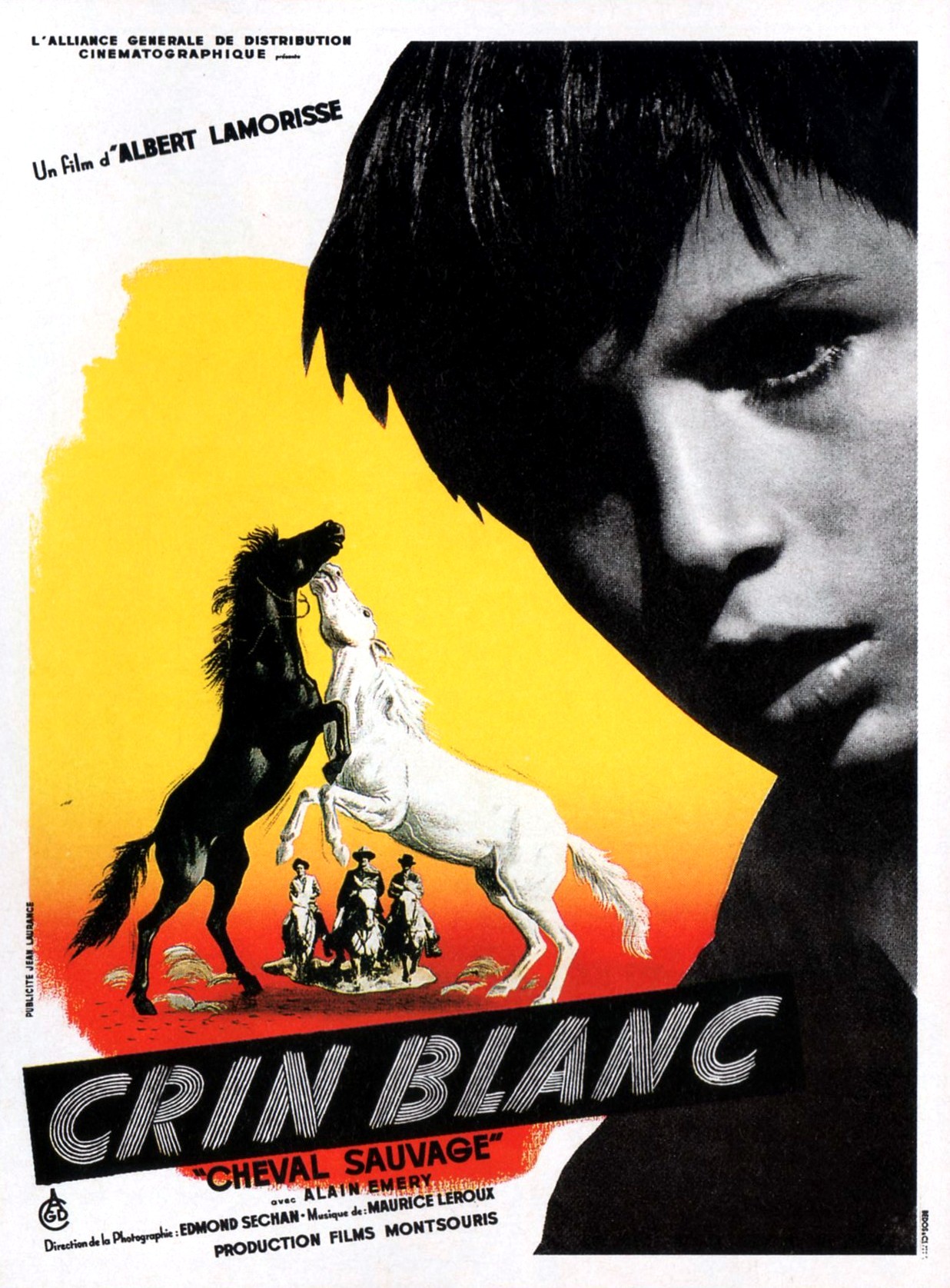
Original Title: Crin Blanc
Director: Albert Lamorisse
Genre: Drama
Released: 1953
Rating: ★★★★★
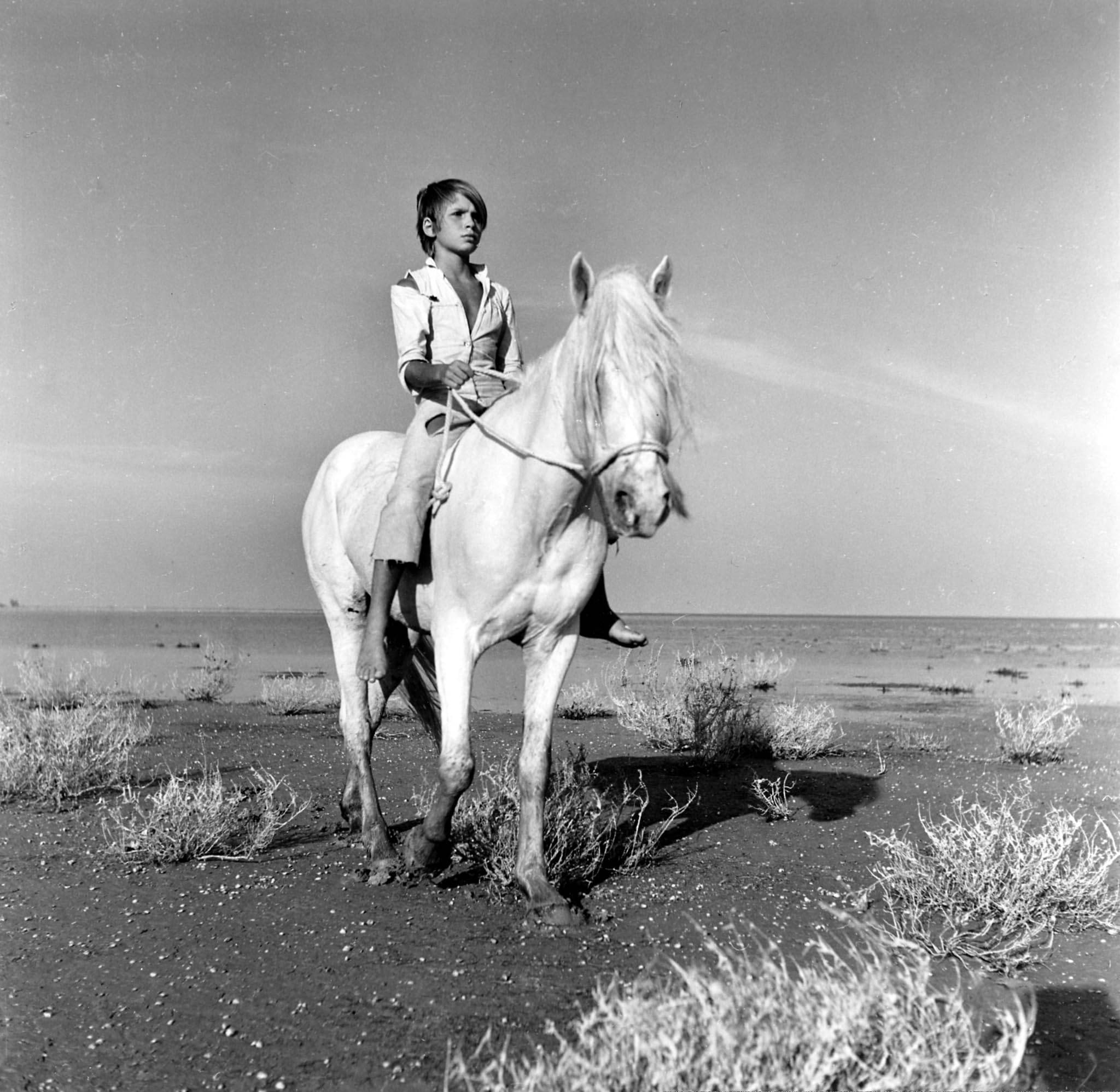
Before directing his Academy Award winning short-film The Red Balloon, Albert Lamorisse in 1953 released the 39 minute short Crin-Blanc (or “White Mane”). The story follows a wild horse in a struggle for freedom when a group of men attempt to capture him. A young fisher-boy named Folco witnesses the mistreatment of the horse by the strange men. The boy’s heart, sensitive to the animal’s nature, compels him to rescue the creature.
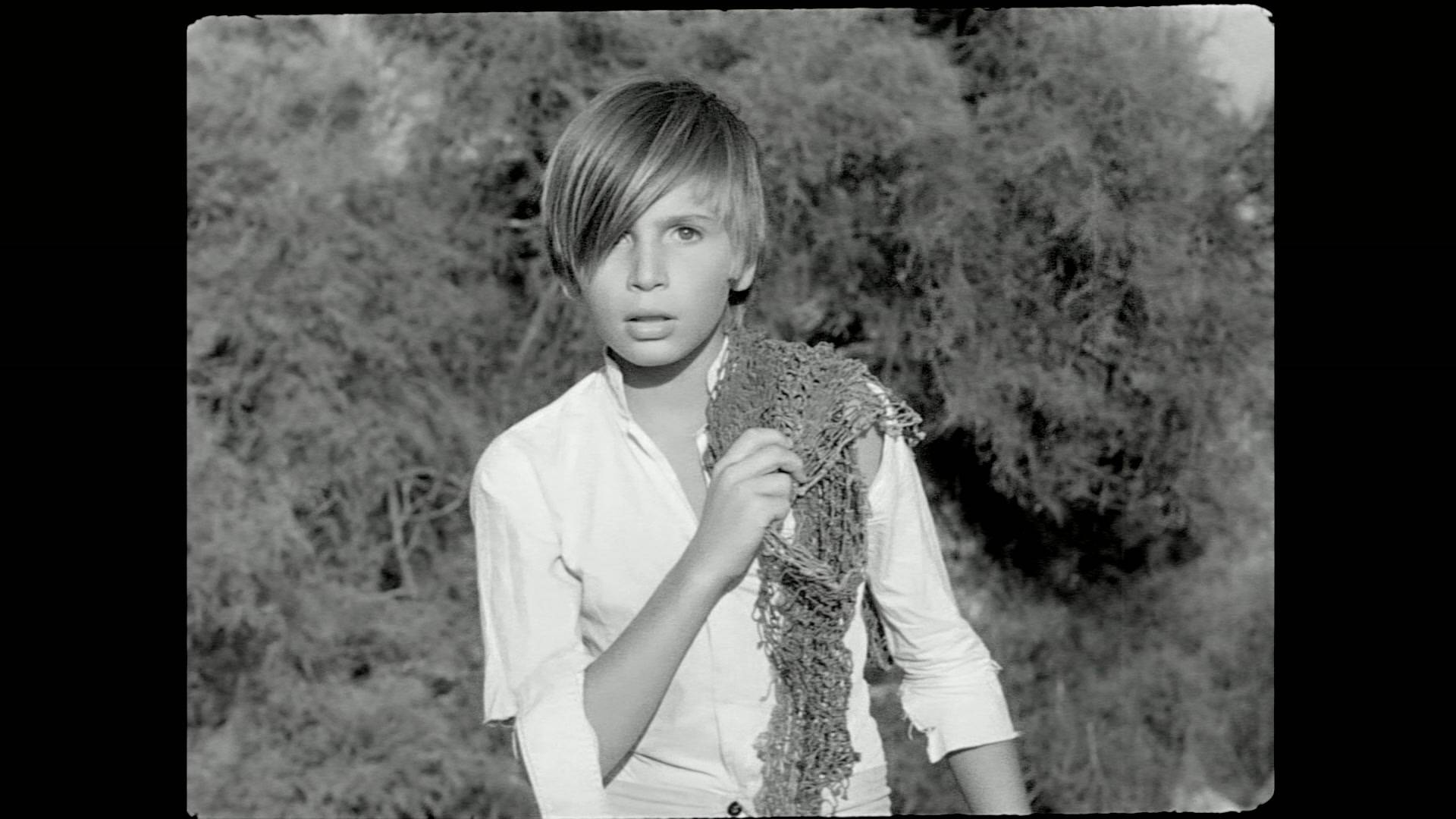
The film stars the beautiful Alain Emery who was chosen specifically for his looks as he recounted in a 2020 interview with Midi Libre
"My mother responded to a newspaper ad that read, word for word, 'Seeking a handsome child - I have to repeat this - about ten years old, who loves horses, to star in a movie,'"
"They liked my looks. They asked me if I knew how to ride a horse; I told them the truth - that is, no - and added that I wanted to learn and that it didn’t scare me. In any case, I wasn’t chosen for my acting skills, because I wasn’t an actor at all - and I still am not...'"
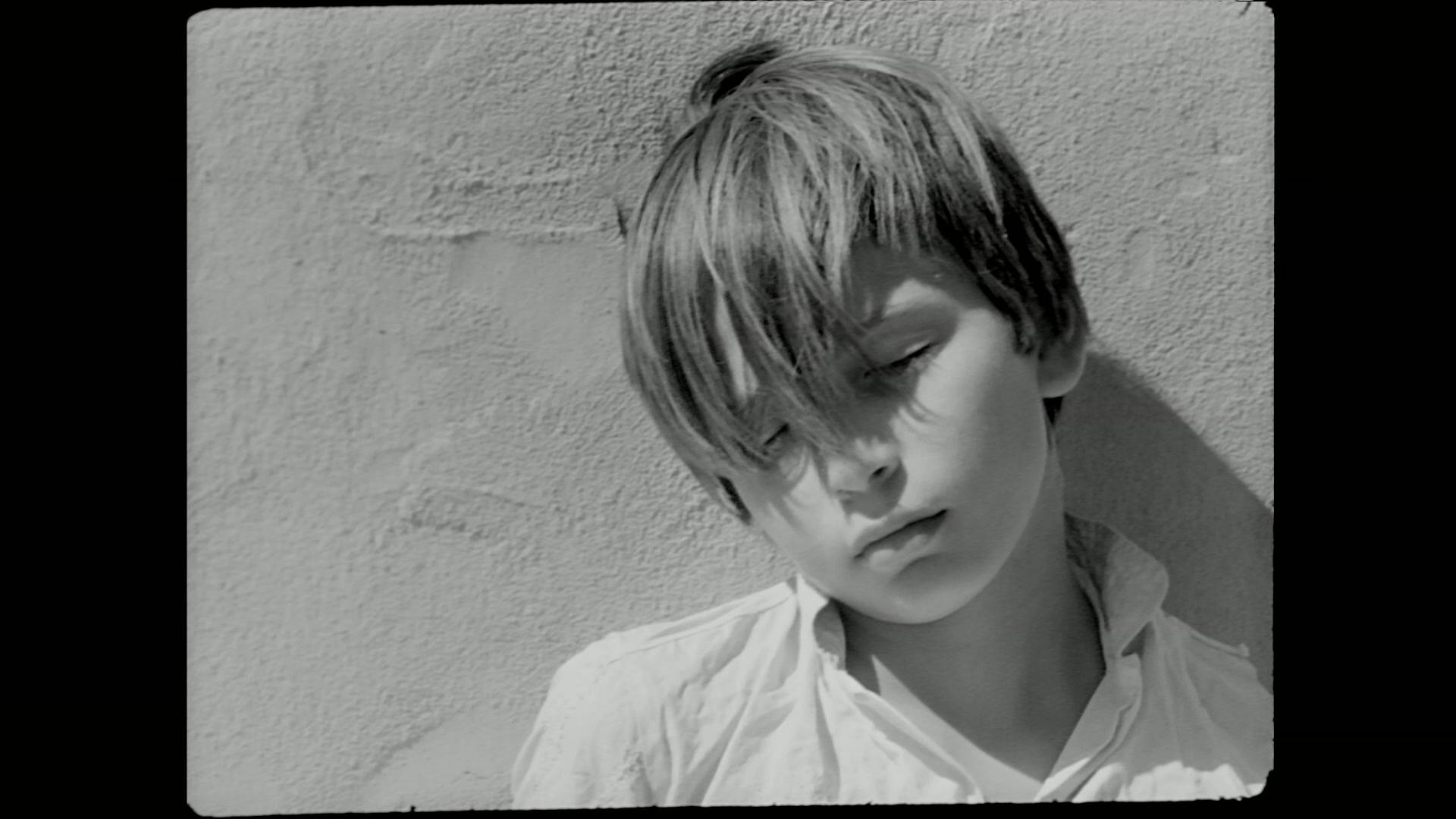
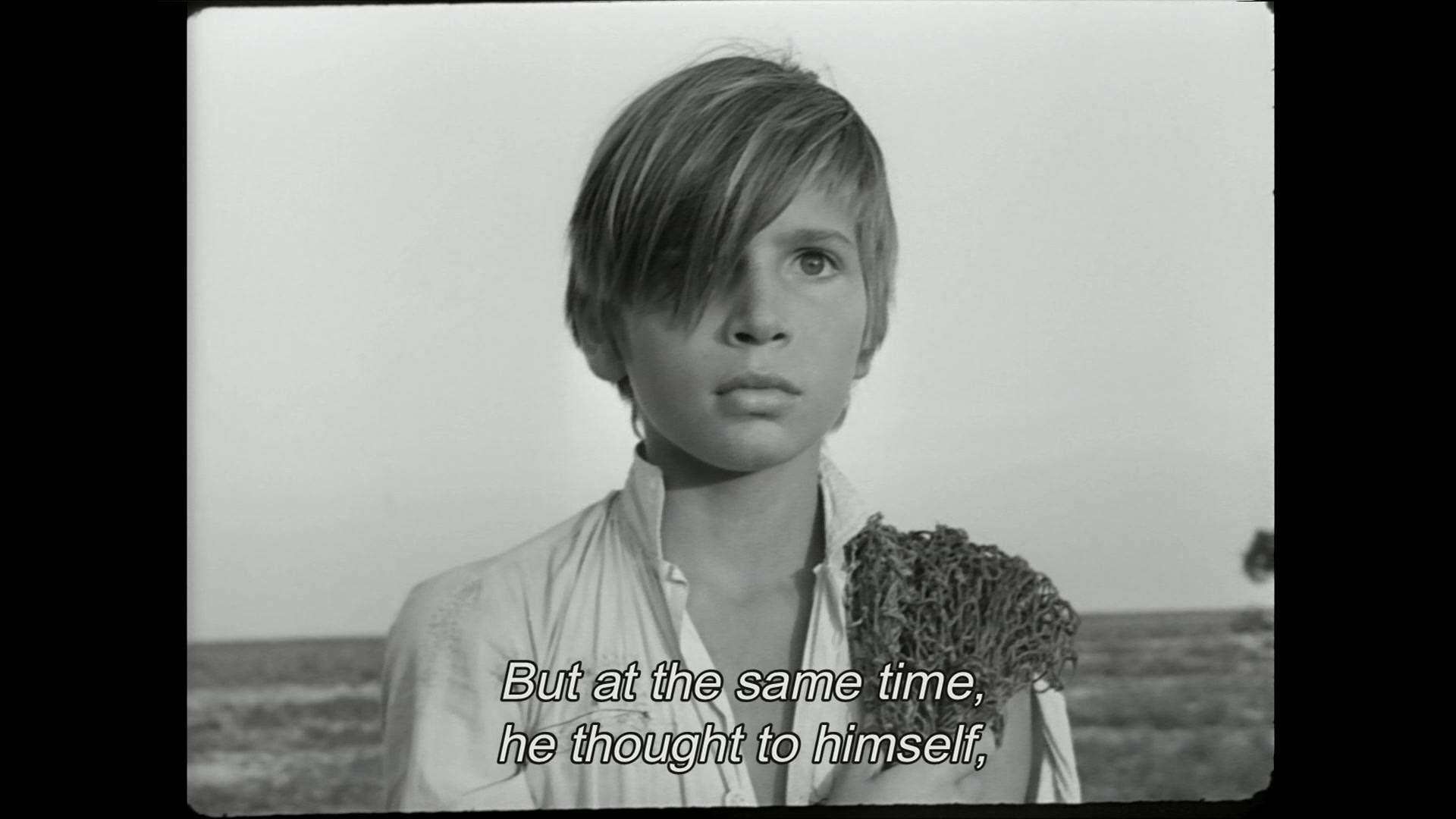
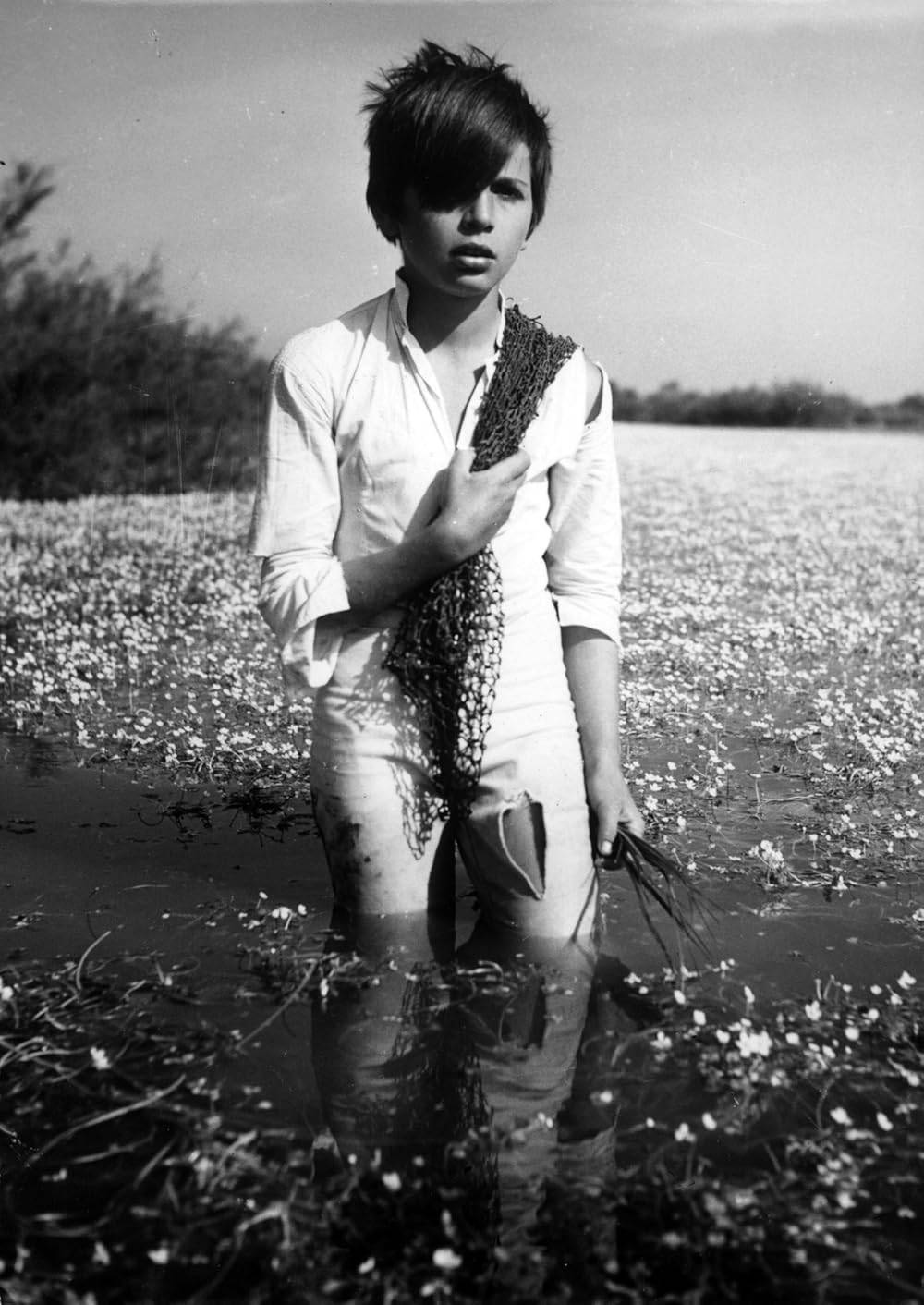
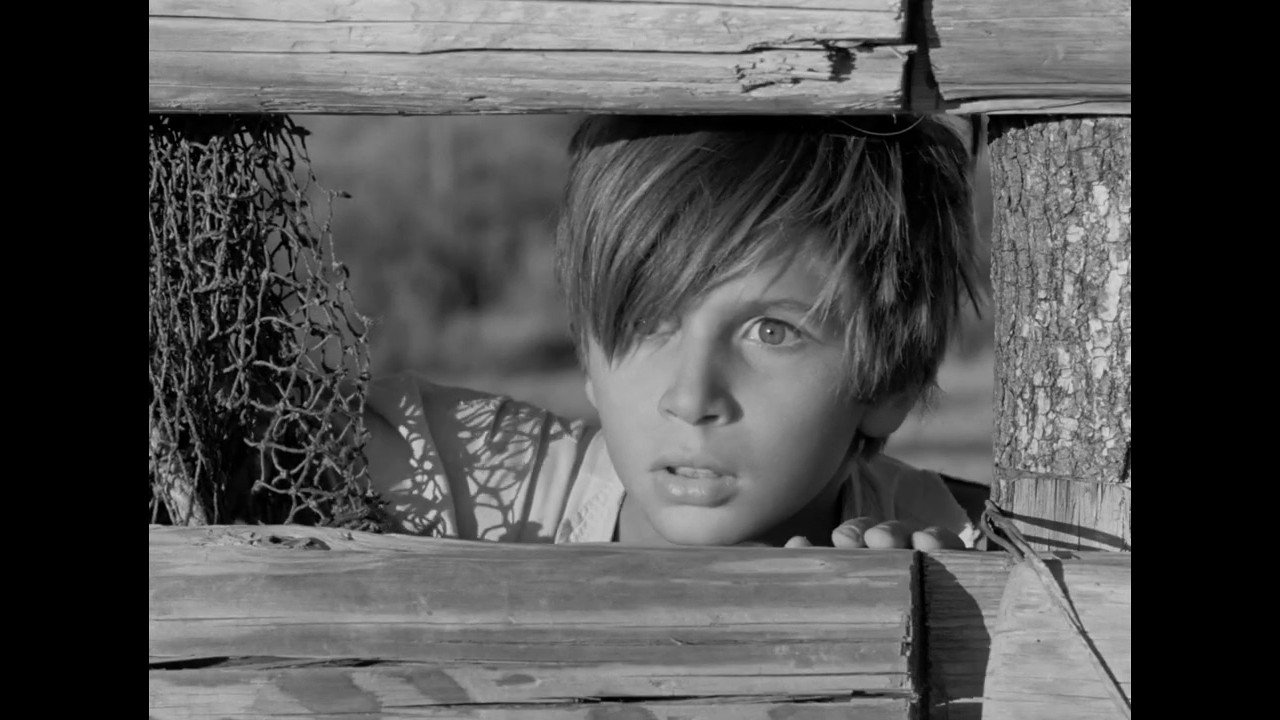
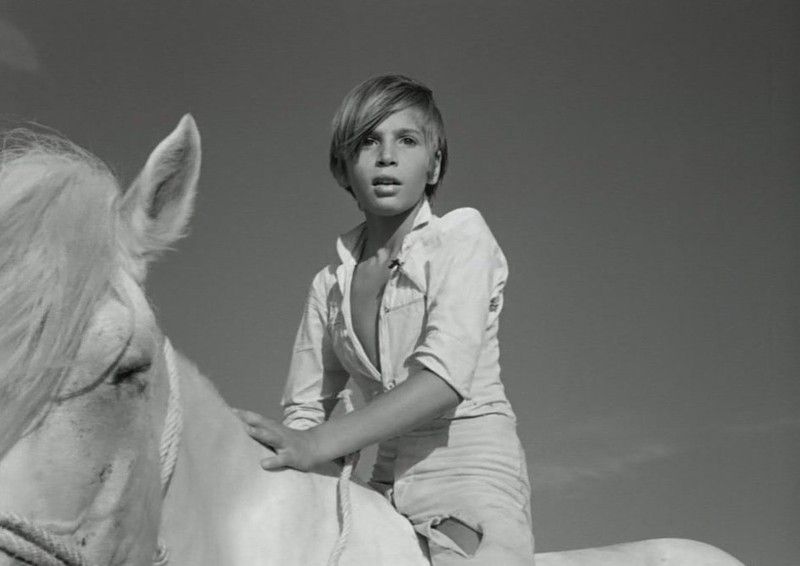
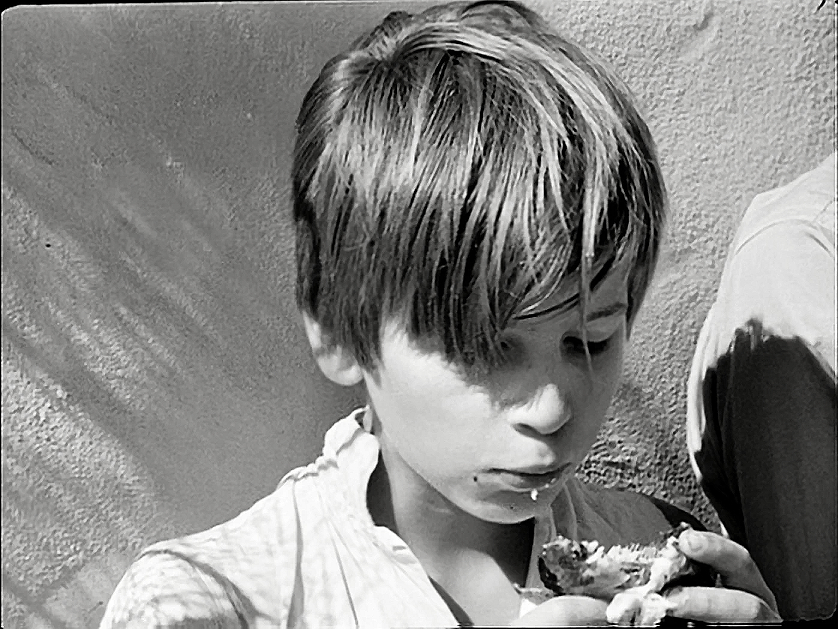
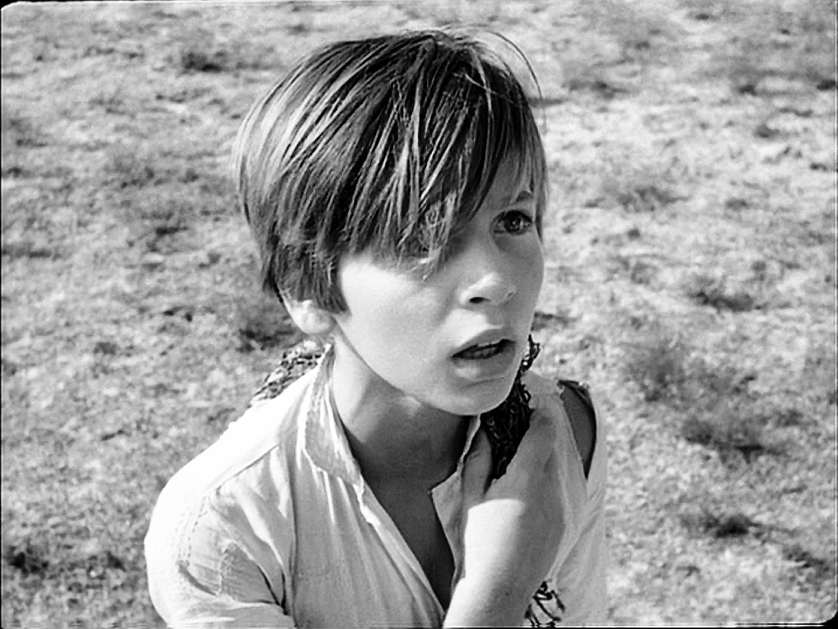
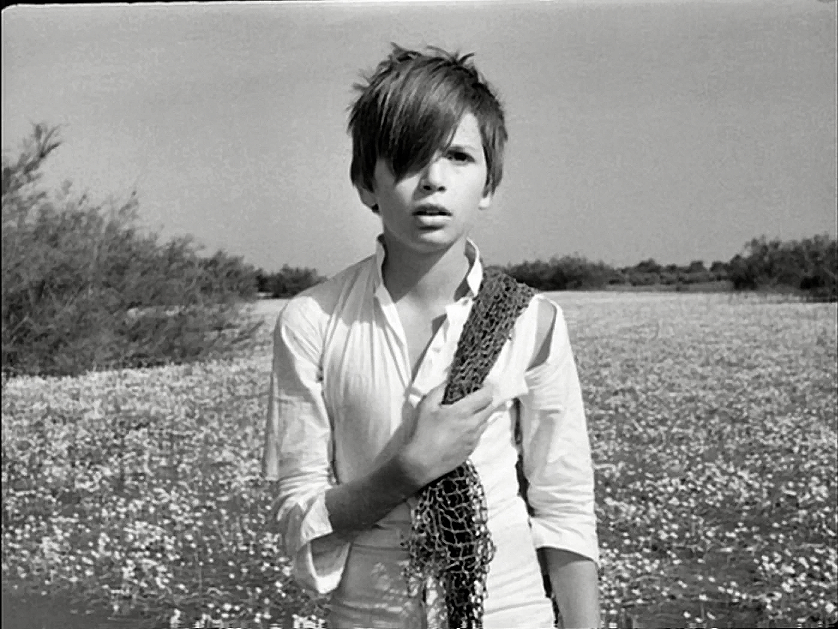
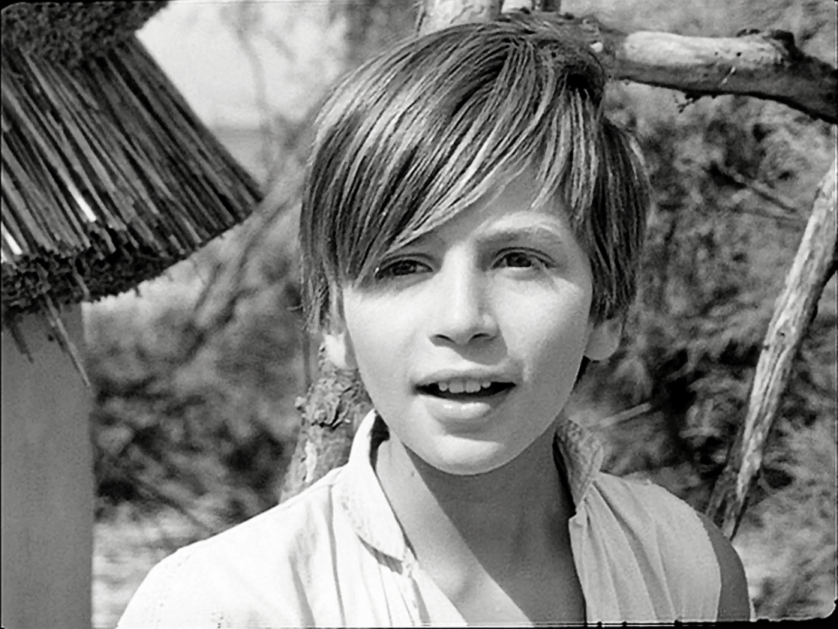
Alain’s beauty, much like the stallion's, did not go unnoticed. Several shots throughout the film linger on the majestic face of the young boy. Other shots give us an even closer view of his face so we can better interpret his current thoughts and emotions; allowing us to uncover his inner monologue by gazing into his eyes, taking hold of his smile. He does not speak his feelings or desires, nor does he utter a word regarding his plans or motives. Instead he communicates everything he needs with a glare, a smile, or a gesture that tells us how he feels and what he wants to do.
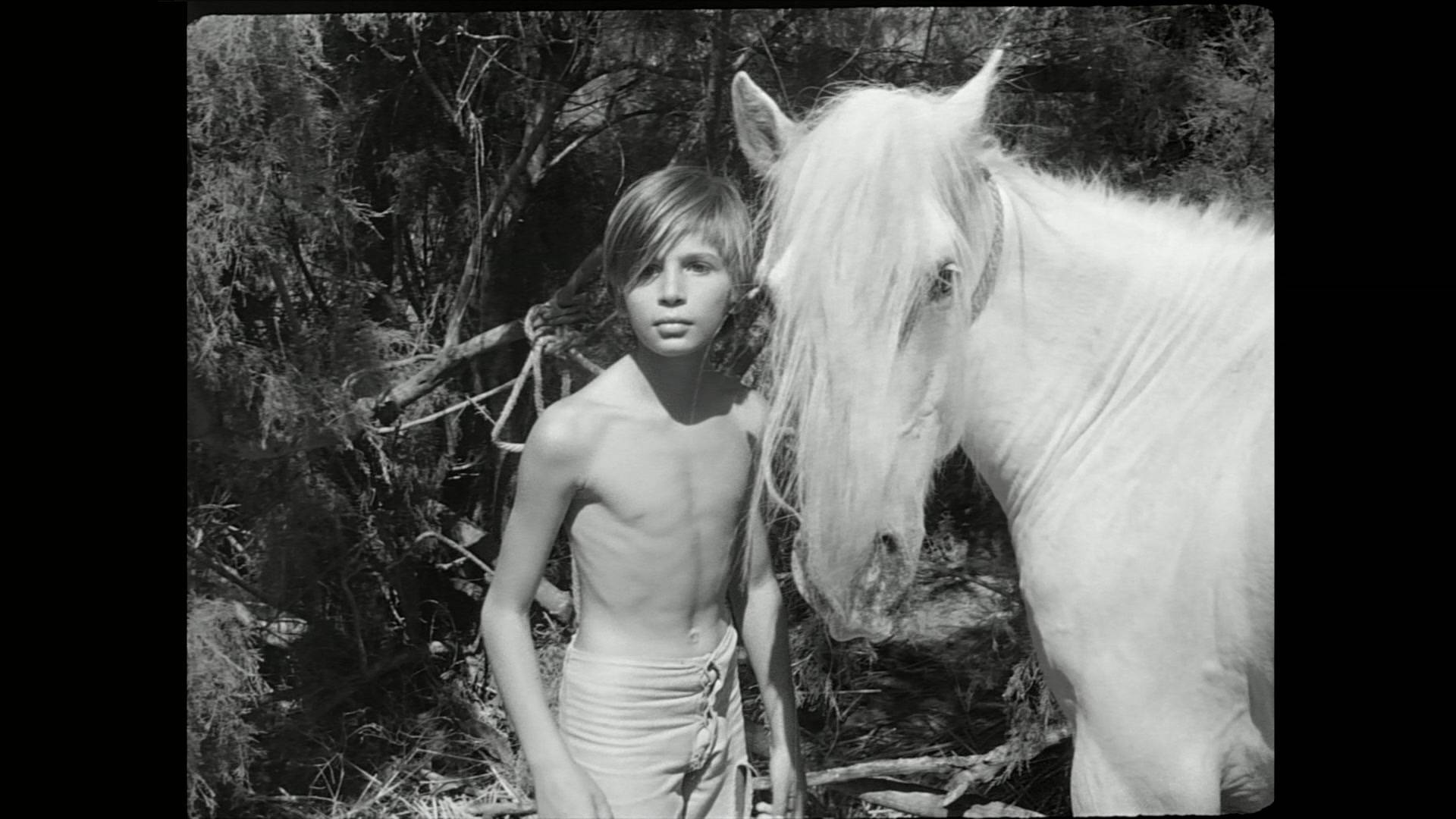
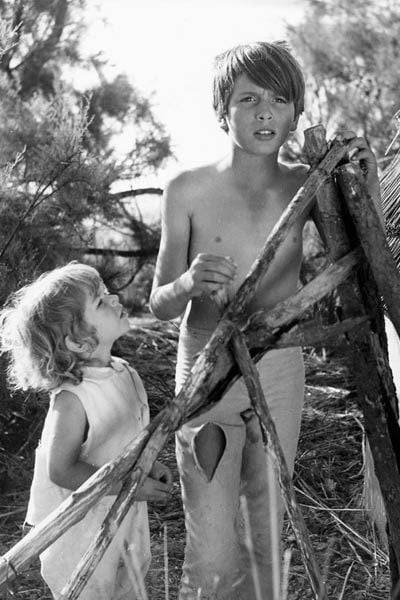
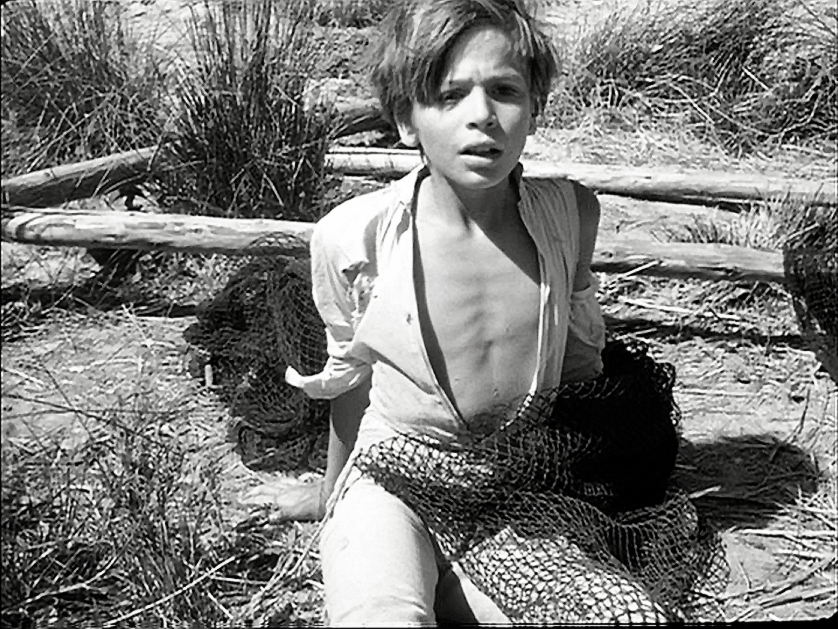
Folco is often seen wearing his button-shirt undone partway down his chest, giving us only the briefest glimpse of what his nascent, masculine torso could look like. When taking care of White Mane on his own or when in the safety of his home with his family, Folco reveals to the viewer the rest of his chest by taking off his shirt. His body is without blemish, with no marks or any sign of harm or labor to speak of. Though his frame is small, his youthful body and glistening skin exude life.
The film draws us to think about the importance of purity, nature, and innocence. Folco’s chaste mind and wholesome soul is crafted for us by way of his exterior beauty and youthful body. The selfish, repugnant men, on the other hand, are ugly, bitter, and foolish, with no thoughts given to anyone but themselves. The same men attempt to draw White Mane into battle with other horses for their own amusement, refusing to acknowledge the animal’s individual life. When White Mane returns to Folco with an injured foot, the boy tears a portion of his shirt off in order to make a bandage for the creature.
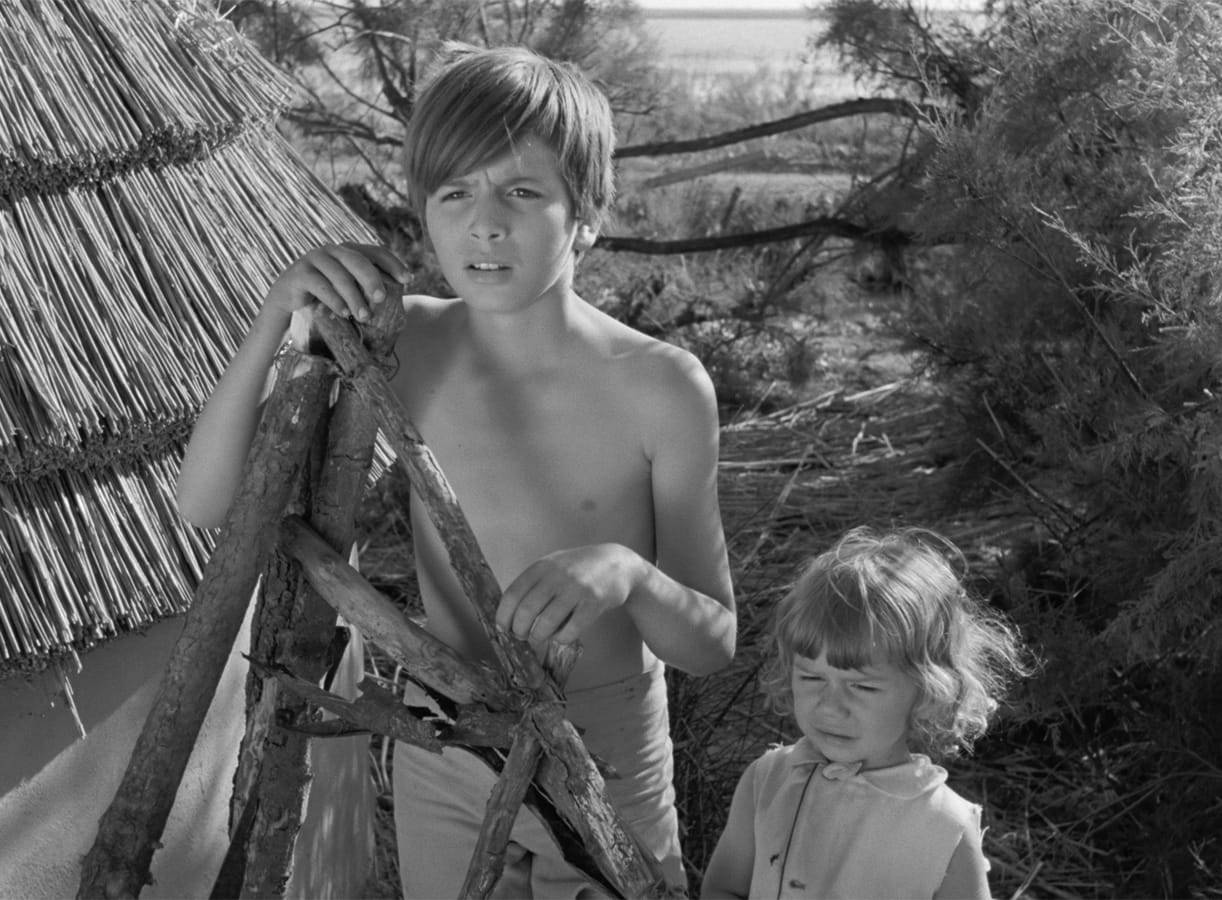
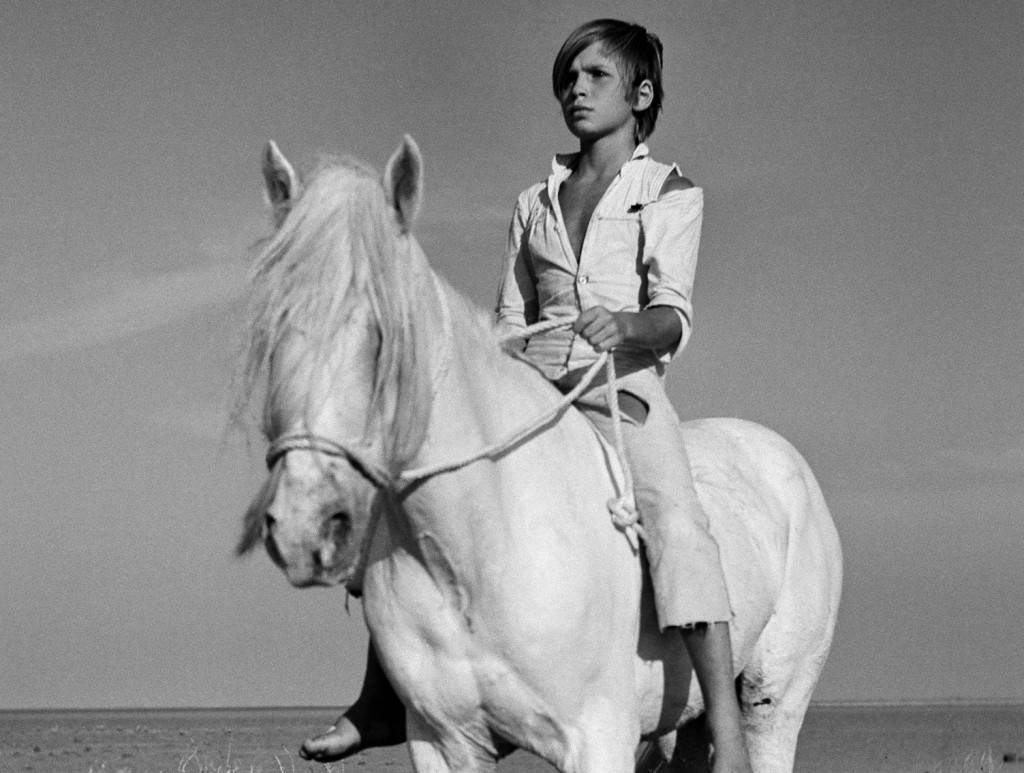
The film would go on to win the Best Short award at Cannes Film Festival in 1953. Terrance Rafferty in 2007 of the New York Times would go on to describe Albert Lamorisse’s as being in-tune with the mind of a child:
“The stories are simple, fablelike; the heroes are boys; the subject in each case is the purity and power of a child’s imagination; and the tone of both films is that of open-mouthed wonder...
Grown-ups, who know too well how fragile this beauty is, are likely to cry.”
Rafferty describes an experience that only Lamorisse could deliver, a world of childhood wonder that is present within the fabric of the reality of adulthood:
“As Folco rides the horse, bareback, across the marshes, over the dunes and through the strange, sparse, gnarled vegetation of his native region, you sense, as in few other films, the real terrors of nature, its arbitrariness and flat indifference reflected in the very changeability of its beauty… It takes an extraordinary filmmaker to evoke that sort of feeling and then to cap his thrilling climactic chase with an image as ecstatic as it is disquieting, the distant sight of a boy and a horse heading out to sea.”
The short film – on top of winning its award at Cannes – would also receive a novelization by French children’s author René Guillot. The book would have the horse named White Crest instead of White Mane and would have Folco go on an adventure one would find typical in a children’s book.
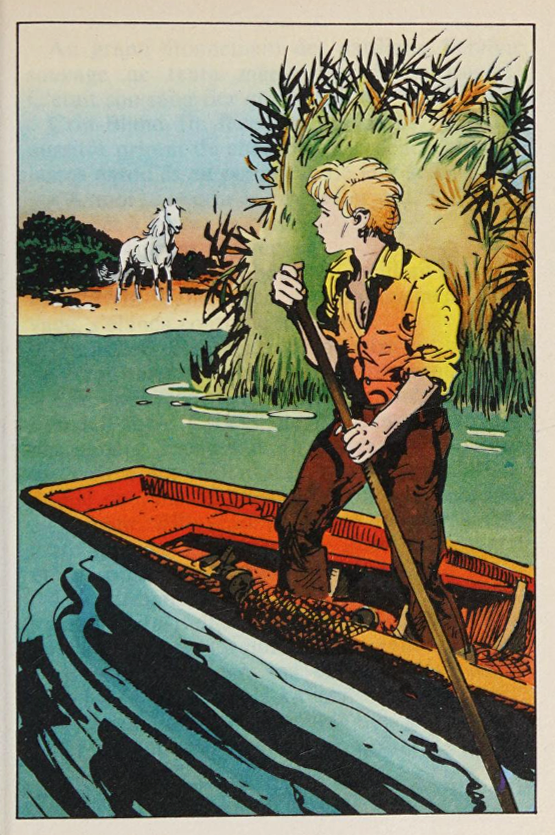
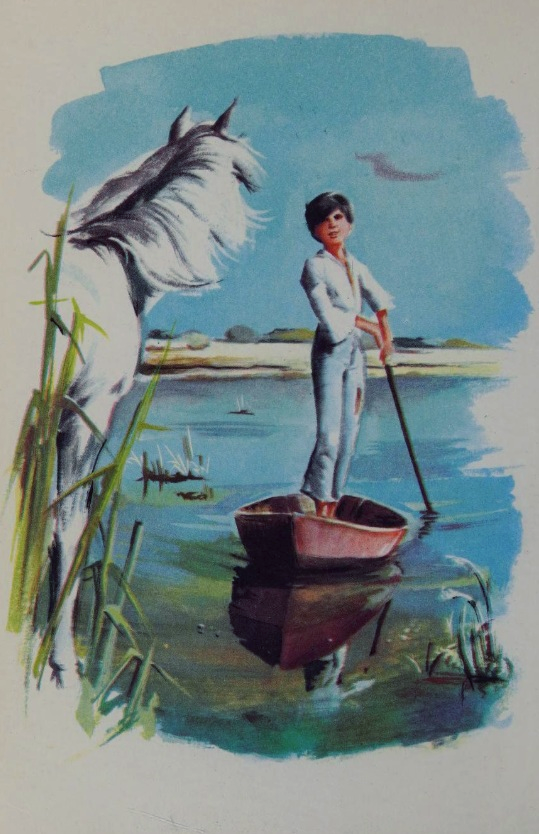
left by Victor de la Fuente, right by Jean Reschofsky
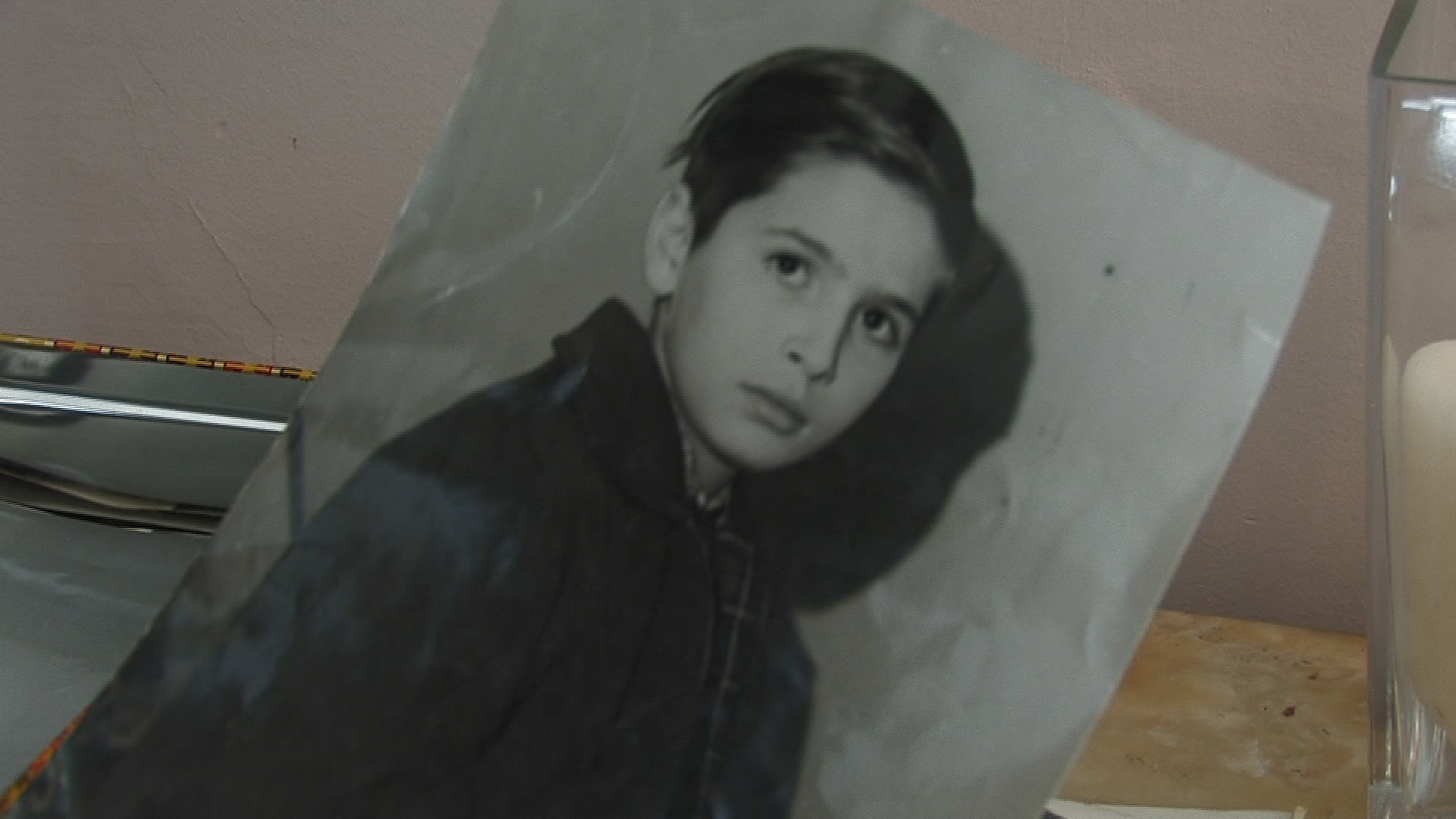
A DVD release of the film paired with The Red Balloon would include two documentary films about Lamorisse’s vivid, nostalgic interpretation of childhood. While Chloe Scialom would invite us to dig deeper into Lamorisse’s most well-known film in My Father Was a Red Balloon, Arnaud Dommerc’s Portrait of Alain Emery, The Child Who Couldn’t Smile gives us an even deeper look into the life of the mysterious boy with an angelic face we’ve come to know at a distance.
Albert Lamorisse would go on to direct feature films such as Stowaway in the Sky in 1960. Unfortunately, he would die in a helicopter crash while filming Le Vent des amoureux (The Lover’s Wind) in 1970. Alain Emery would go on to act in Galamador in 1958, play Mato in the Les Indiens TV Series from 1964-1965, and act one last time in Comment les séduire in 1968. He would pass away on May 22nd, 2024. He died in Arles, France at the age of 83.
Sources: