Boys in Advertising
This article is a work in progress!
From simple merchandise and fun snacks all the way to restuarants and appliance brands, boys have been used in marketing to relate with the public - putting a cute, welcoming face onto a product or service to make the customer feel more at home. Depending on his design, a boy mascot can evoke innocence and charm, humor and play, youthful rebellion, childlike whimsy, or a number of other feelings.
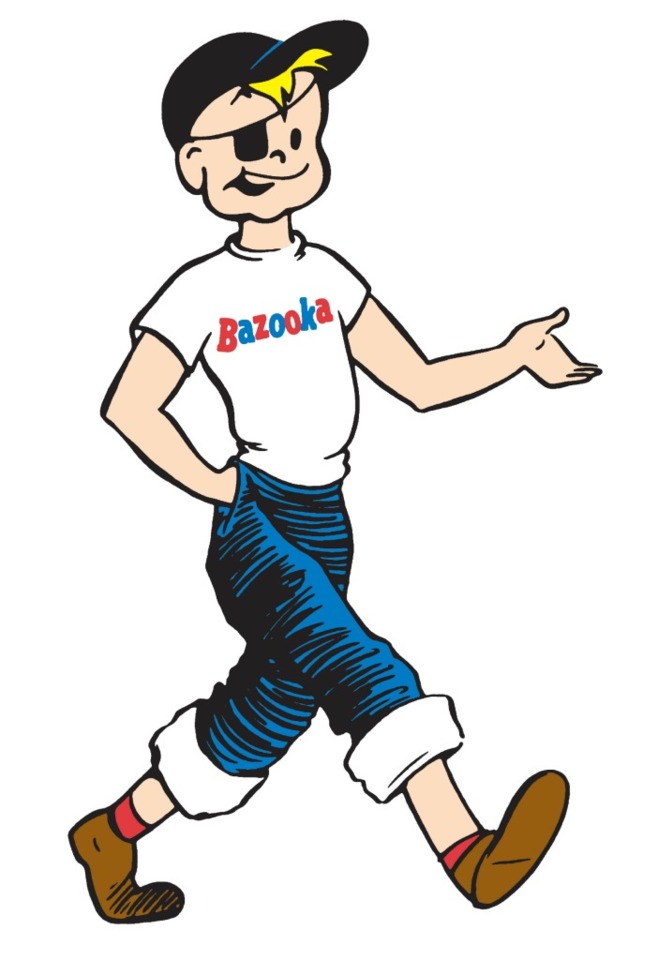
Bazooka Joe
Click here for the full article!
A collaboration between American cartoonist Wesley Morse and Topps heads of Product Development Woody Gelman and Ben Solomon, Bazooka Joe and his Gang was created in early 1953 to help relaunch the Bazooka brand of bubblegum. Instead of just buying an ordinary piece of gum, the pack would feature a small comic featuring the titular Bazooka Joe, a young blonde-haired boy wearing an eyepatch. Joe’s design was largely based on Talley Morse, Wesley Morse’s son, while the eyepatch was inspired by a popular 1950’s advertisement.
Big Boy (Bob's Big Boy)
Click here for the full article!
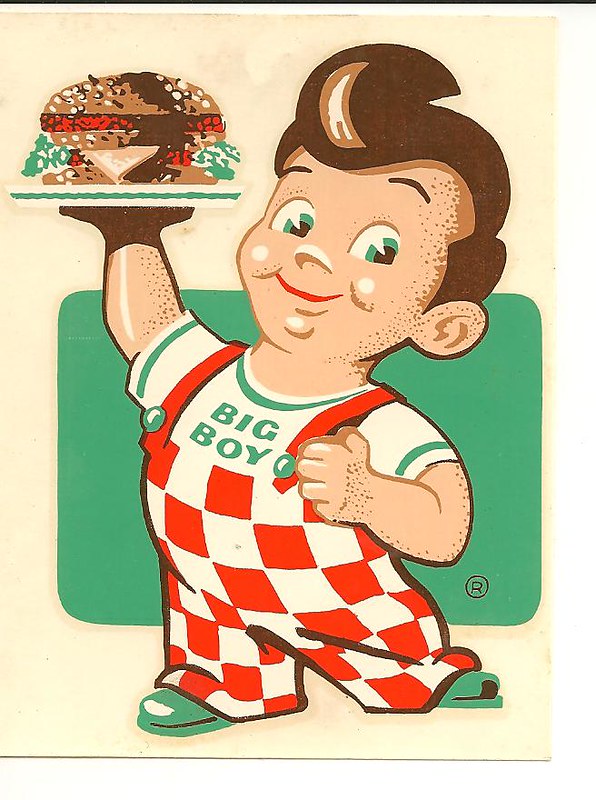
One of America’s most well-known icons, Big Boy, the mascot representing the California-based burger restaurant, could well be considered not only a historical American icon, but a positive representation of boyhood in general. The restaurant was created in 1936 by entrepreneur Bob Wian. He named his first restaurant (Bob’s Big Boy) after his most famous burger, the Big Boy, which used three buns instead of the standard two and two patties instead of just one.
The Haier Brothers (海尔兄弟)
Click here for the full article!
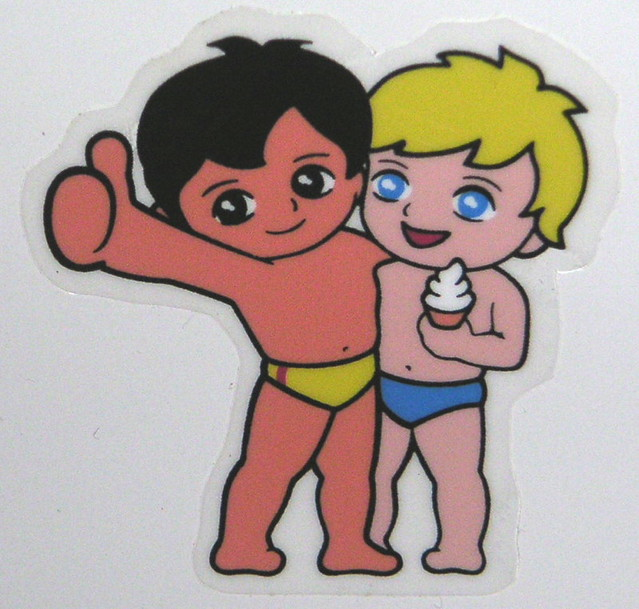
The Haier Brothers are the duo-mascots of the Haier Group Corporation, based in Qingdao, Shandong. In 1984, the company formerly known as Qingdao Refrigerator Co. would open up to world markets, seeking partnerships from around the world. Germany’s Liebherr would enter a successful joint-venture contract with Qingdao, offering technology, equipment, and other manufacturing services. After several acquisitions, sustained company profitability, and assistance from the government, the company would rebrand to Haier, with its current name being a shortened version of the Chinese transliteration of “Liebherr.”
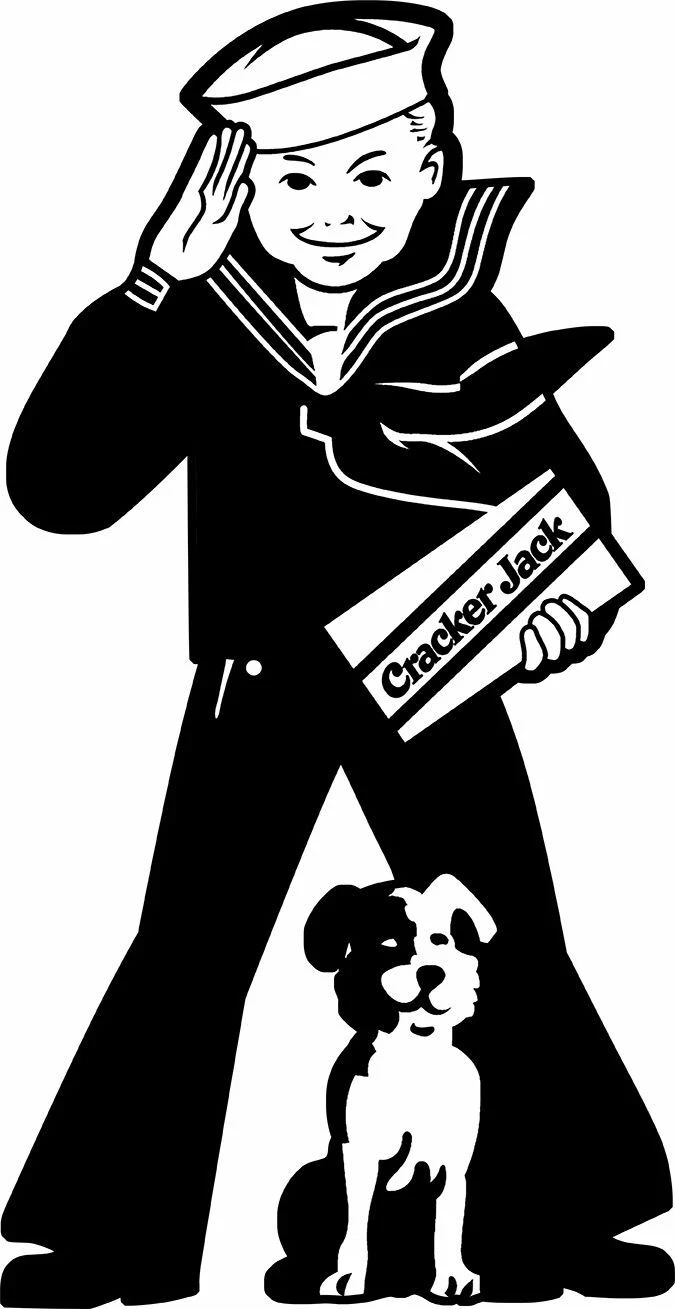
The Cracker Jack Boy
A baseball staple created by Frederick William Rueckheim, this popular candied-snack introduced Sailor Jack and his little dog Bingo as its mascots in 1916. Sailor Jack’s design (created by Andrew Loomis) was based on Rueckheim’s grandson, Robert, who unfortunately passed away due to pneumonia at the age of eight. Bingo was based on a pet owned by one of Rueckheim’s business associates, Henry Eckstein. Sailor Jack and Bingo would appear in television ads starting in 1955. Eventually the duo would appear in Superbowl XXXIII in 1999 and in the Macy’s Thanksgiving Day Parade in 2014.
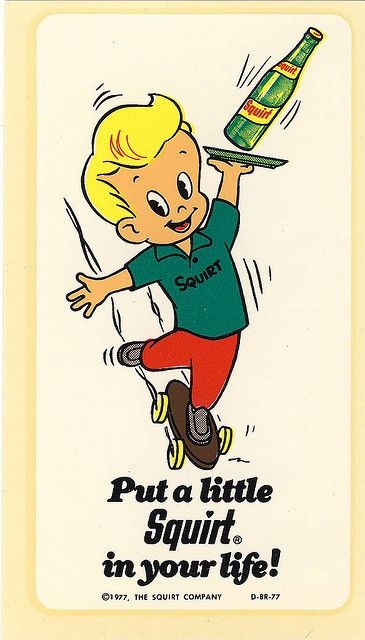
Li'l Squirt
Designed by Bruce Bushman in 1941, Lil’ Squirt could be seen all over Southwestern American newspaper ads, merchandise, bottles, and other décor. His charm and likeability won the attention of kids, getting the Squirt brand the recognition they were looking for.
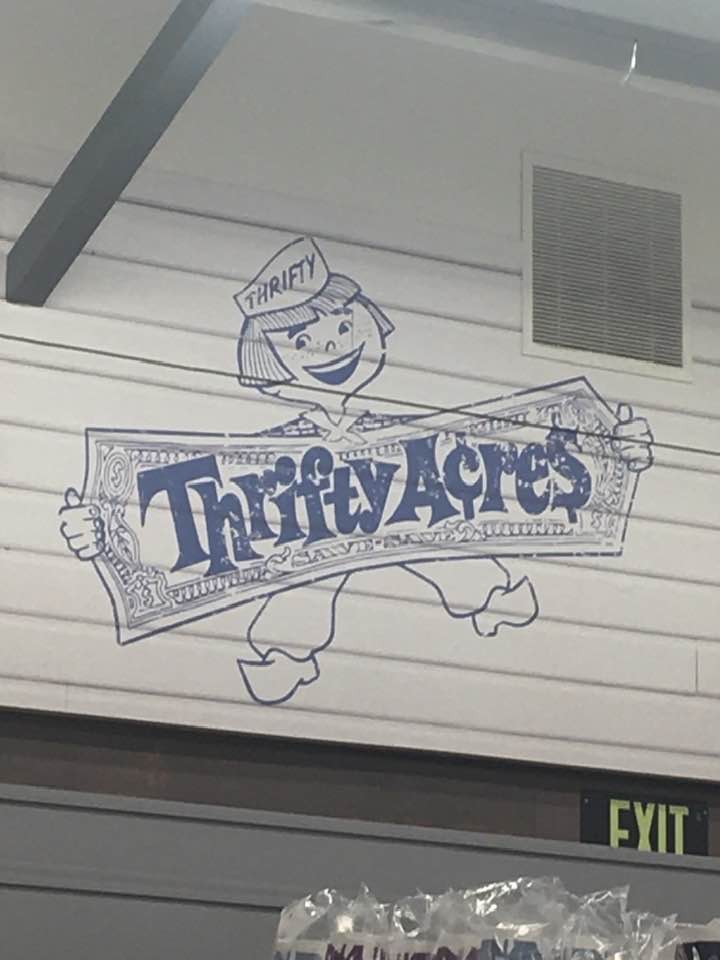
Thrify
Nicknamed “Thrifty” the Thrifty Acre’s boy welcomed customers to the first Meijer store that combined the grocery and discount department store models.